Cart
0
You may also like



An alkaline cleaner is a cleaning product with a pH above 7. That chemistry lets it break down fats, oils, grease and protein-based dirt, so it can be rinsed away. Washing-up liquid, laundry detergent, baking soda, bleach and oven cleaner are all alkaline, from very mild to very strong. Strength matters more than the word “alkaline” itself, because the same label covers a bicarbonate paste and a caustic drain unblocker.
This guide explains what alkaline means on the pH scale, what these cleaners do well, which surfaces they can damage and how to use them safely in a UK home.
The pH scale runs from 0 to 14 and describes how acidic or alkaline a water-based solution is. Below 7 is acidic, 7 is neutral (pure water) and above 7 is alkaline. The scale is logarithmic, so each whole number is a tenfold step. A cleaner at pH 11 is far more alkaline than one at pH 9, not slightly more.

In cleaning, “alkaline” is a chemical description and not a quality mark. It does not mean a product is natural, harsh, safe or effective. It only tells you which kind of dirt the product is built to tackle. You will also see the words “basic” or “alkali” used for the same thing, and “high pH” on trade products.
The phrase should not be confused with alkaline water, the drinking-water trend. A cleaning product’s alkalinity has nothing to do with what you drink. It is about how a solution behaves on grease and grime.
Most everyday mess in a home is fatty or organic: cooking oil on a hob, grease on an extractor hood, body oil on a shower screen, food baked onto a tray. Chemistry textbooks describe alkaline cleaning agents as ones that dissolve fats, including grease, oils and protein-based substances.
In simple terms, an alkali reacts with the fatty acids in grease and turns part of it into a soap-like substance. That substance helps lift the rest of the greasy film from the surface so water can carry it away. This is why a degreaser works better than plain water on a greasy pan, and why many laundry detergents are alkaline.
There are three practical points that follow from this:
Alkaline products sit on a wide spectrum. The table shows the range you are likely to meet at home.
| Product | Typical strength | Typical use | Care needed |
|---|---|---|---|
| Washing-up liquid | Mild | Dishes, light grease | Low. Rinse hands if skin is sensitive |
| Baking soda (bicarbonate of soda) | Mild | Gentle scrubbing, odours, mop water for floors | Avoid on aluminium and some ceramics |
| Soda crystals (washing soda) | Stronger | Tough grime and grease | Wear gloves and avoid aluminium, varnished or lacquered surfaces |
| Ammonia-based cleaners | Strong (around pH 11) | Glass, some grease | Never mix with bleach |
| Bleach | Strong (around pH 12) | Disinfecting, stain removal | Never mix with ammonia products |
| Oven and drain cleaners | Very strong | Baked-on grease, blockages | Caustic. Eye and skin protection essential |
The ammonia and bleach figures come from a chemistry textbook, which gives bleach at pH 12 and ammonia at pH 11 as common alkaline cleaning agents. The same source notes that the strongest alkaline cleaners contain bases such as sodium hydroxide or potassium hydroxide.
Because the scale is logarithmic, the gap between a mild and a strong product is large. Washing-up liquid and an oven cleaner are both “alkaline”, yet you would handle them very differently.
Alkaline cleaners are the right choice when the problem is fat, oil, protein or general organic soil. In practice that means:
A useful rule: alkali for greasy and organic dirt, acid for mineral deposits, and a disinfectant only when you actually need to kill germs. Cleaning and disinfecting are separate jobs, and our guide on disinfectant versus cleaner explains when each is worth using.
Soap scum is a mix of soap residue and minerals, so it sometimes needs a different approach from a plain degreaser. We cover it in how to remove soap scum naturally.
The same action that dissolves grease can harm materials that rely on oils, waxes or protective finishes. Strong alkalis are the main concern. Take care with:
When in doubt, test on a small hidden area, use the mildest product that does the job and follow the surface manufacturer’s care advice. A rug is a good example of a surface where a spot test first is sensible.
Mild alkaline cleaners such as washing-up liquid are part of everyday life. The stronger ones need a few simple habits. The safety points below come from UK official guidance.
The Health and Safety Executive’s guidance on diluting chemical concentrates is written for workplaces, but the habits apply at home too. It advises you to read the label, follow the instructions and add the concentrate to the diluting liquid, not the other way round unless the instructions say so. It also recommends making up solutions only for immediate use and keeping the room well ventilated. It warns that caustic soda can erupt when mixed with water, which can cause serious eye splashes.
Do not dilute by eye. If a bottle gives a ratio, measure it.
GOV.UK health guidance says that low-level exposure from the correct use of household products containing sodium hydroxide is not expected to cause adverse health effects. The same page says that skin contact with stronger solutions can cause pain, burns and ulcers, and eye contact causes pain and burns. The sensible approach is to wear the gloves and eye protection the label states, avoid splashes and keep children and pets out of the room while you work.
Alkalis also strip natural oil from skin, which is why hands can feel dry or tight after using them. If you have eczema or sensitive skin, gloves are worth wearing even with milder products.
Bleach and ammonia-based cleaners are both alkaline, and mixing them is dangerous. GOV.UK notes that mixing sodium hypochlorite and ammonia-based solutions may result in exposure to toxic gases, while exposure from appropriate use is likely to be minimal. Use one product at a time, rinse between products and open a window. Our overview of ammonia cleaning risks goes through this in more detail.
If someone has splashed a strong cleaner in their eyes, swallowed it or feels unwell after breathing fumes, treat it as urgent: rinse as the product label directs and call NHS 111 or 999 for emergencies.
Use the mildest effective option and move up only if you need to.
Matching strength to the mess protects your surfaces and your skin, and it usually means you reach for the strongest products less often.
Neither. A pH number says whether a water-based cleaner is acidic, neutral or alkaline. It does not say whether the product is hazardous, effective or right for every surface. Ingredients, concentration, contact time and the surface maker’s instructions all count too.
That is why we suggest looking beyond pH when choosing a product for a family home. Check:
For a wider look at what makes a cleaner gentler on a home, our guide to non-toxic cleaning products is a good next step.
We started Kinetic Clean from a simple idea: if we would not put harsh chemicals on our skin, we should think twice before using them to clean the places we live. Under our founder Catherine’s guidance, each of our brands, from gut-nourishing foods to tallow-based skincare, is built around natural, non-toxic living. Cleaning is the same story.
Many customers tell us they do not want to learn chemistry. They want to know what is safe around their children, their hands and their lungs. Our view is that “alkaline” is a helpful word for understanding what a cleaner does to grease, but it should never be the only thing you look at. The more useful questions are what the product is made from, how much protection it asks you to wear and whether it is right for the surface and the people in the room.
We design our products to avoid harsh synthetic chemicals, artificial fragrances and alcohols, and to use natural ingredients, because we believe a clean home should not come with irritation to skin, lungs or overall wellbeing. A concentrate you dilute yourself also means you can use the amount a job needs, without reaching for something stronger.
TekHive
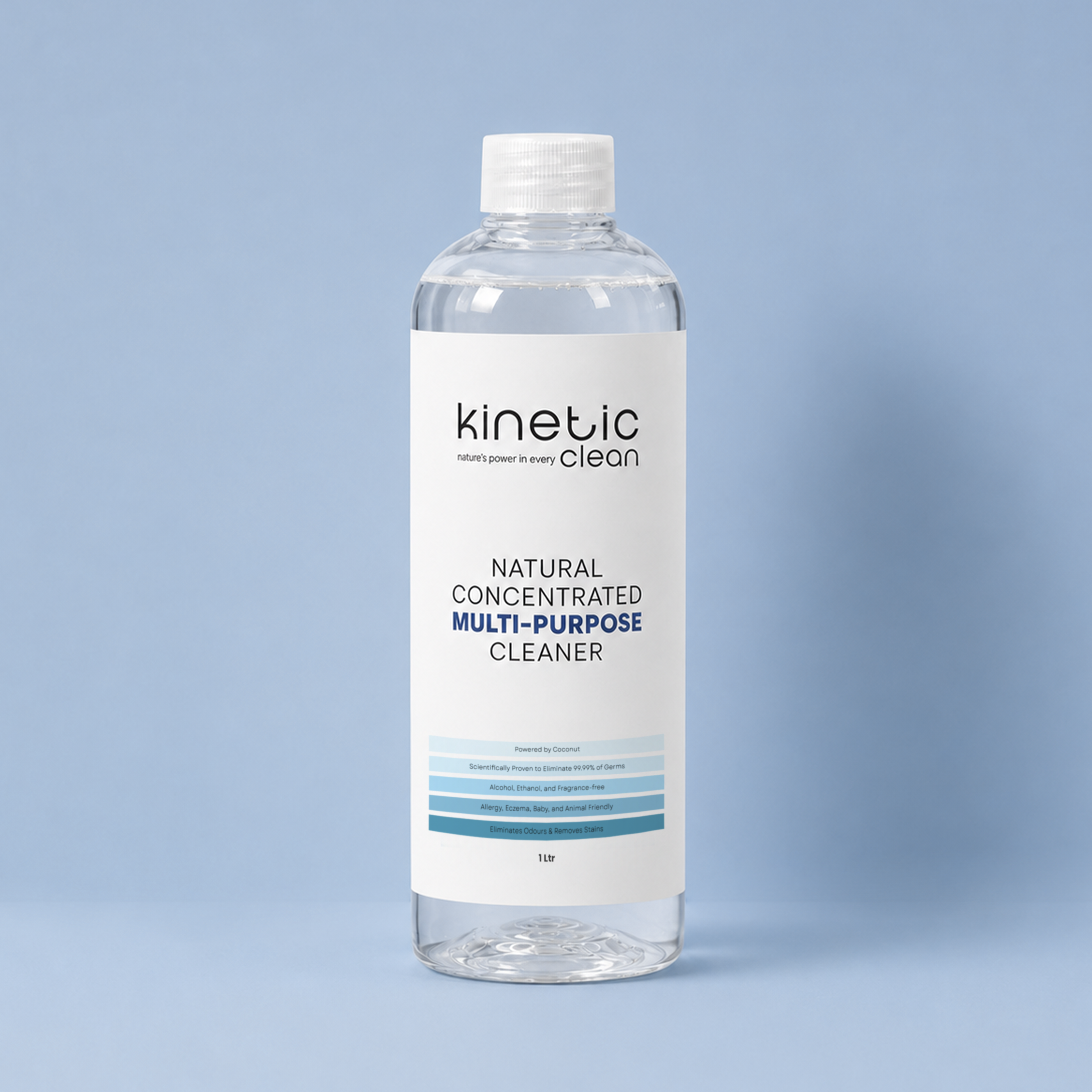
If you are looking for everyday cleaning without synthetic chemicals, artificial fragrances or alcohols, our Multi-Purpose Concentrate and Kinetic Clean Sanitiser are made for family homes and for people who want a safer alternative to conventional cleaners.

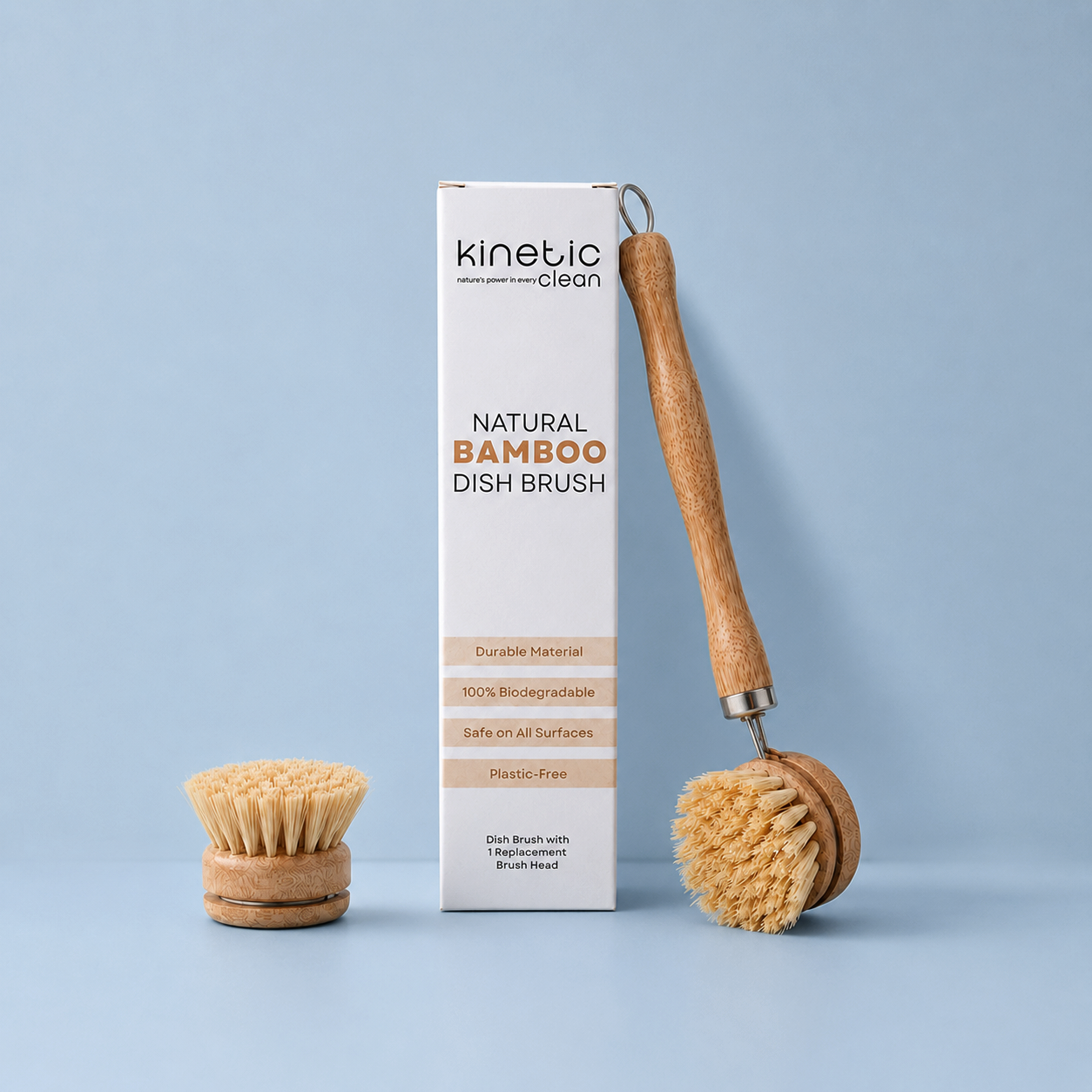
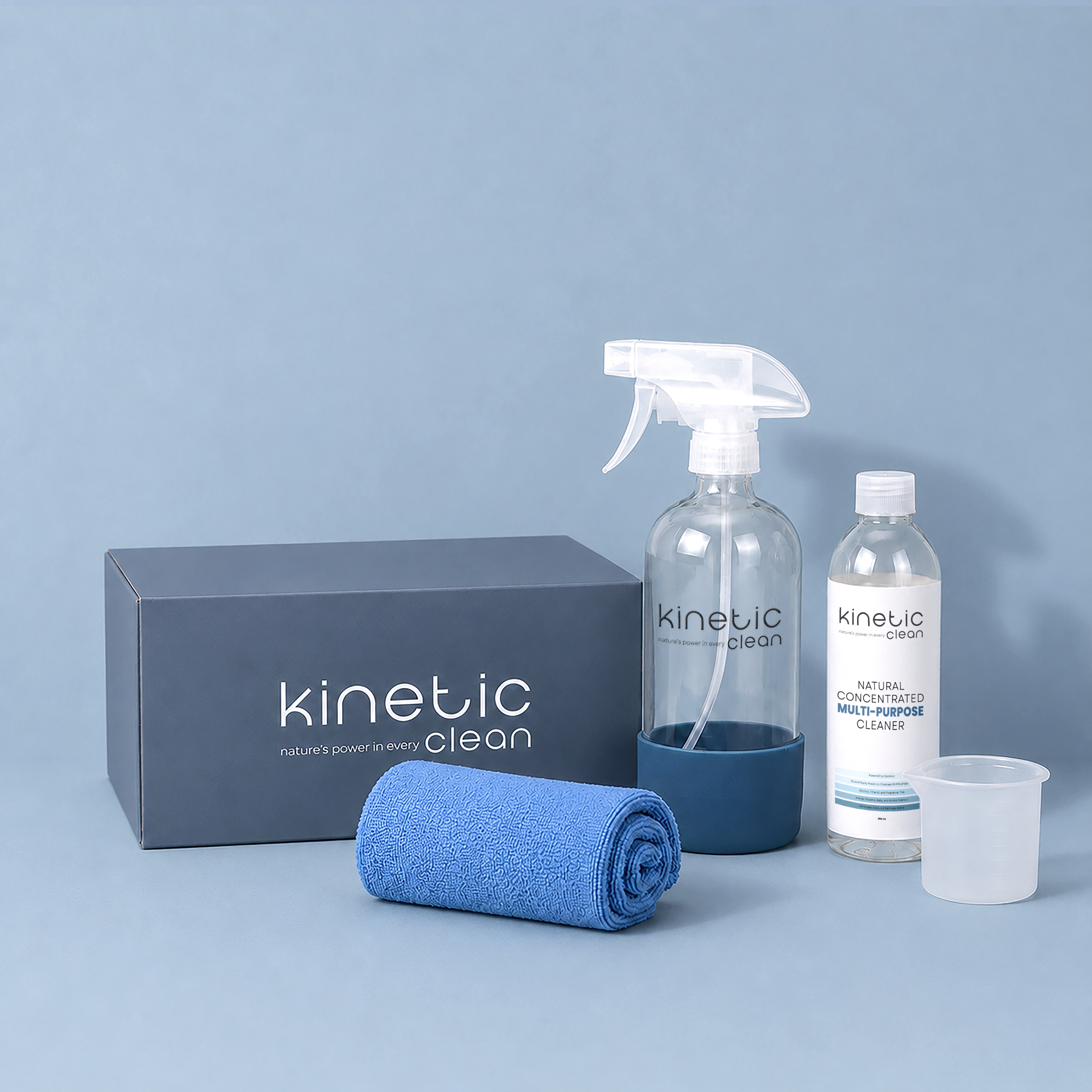
For a first order, the Starter Bundle is an easy way to begin. If you already know you want more, there are the 1L Concentrate Formula and the 250ml Concentrate Formula. For scrubbing dishes, our Bamboo Dish Brush is available from £2.99.
Alkaline cleaners are best on grease, cooking fat, body oils, protein-based soil and food residue. That makes them a natural fit for kitchens, ovens, dishes and laundry. They are not the right tool for limescale or rust, which need an acidic product.
Acidic cleaners have a pH below 7 and are used for mineral deposits such as limescale and rust. Alkaline cleaners have a pH above 7 and are used for grease and organic dirt. Neutral cleaners sit around 7 and are often used for delicate surfaces such as natural stone.
Washing-up liquid is generally on the mildly alkaline side, which suits its job of lifting food fat from dishes. The exact pH differs between brands, so the label or manufacturer is the best guide. Rinse well and use gloves if your hands are sensitive.
No. Alkaline water is a drinking-water product. An alkaline cleaner is a cleaning product with a pH above 7 that is made to remove grease and soil from surfaces. Do not use cleaning products for anything other than cleaning.