Cart
0
You may also like
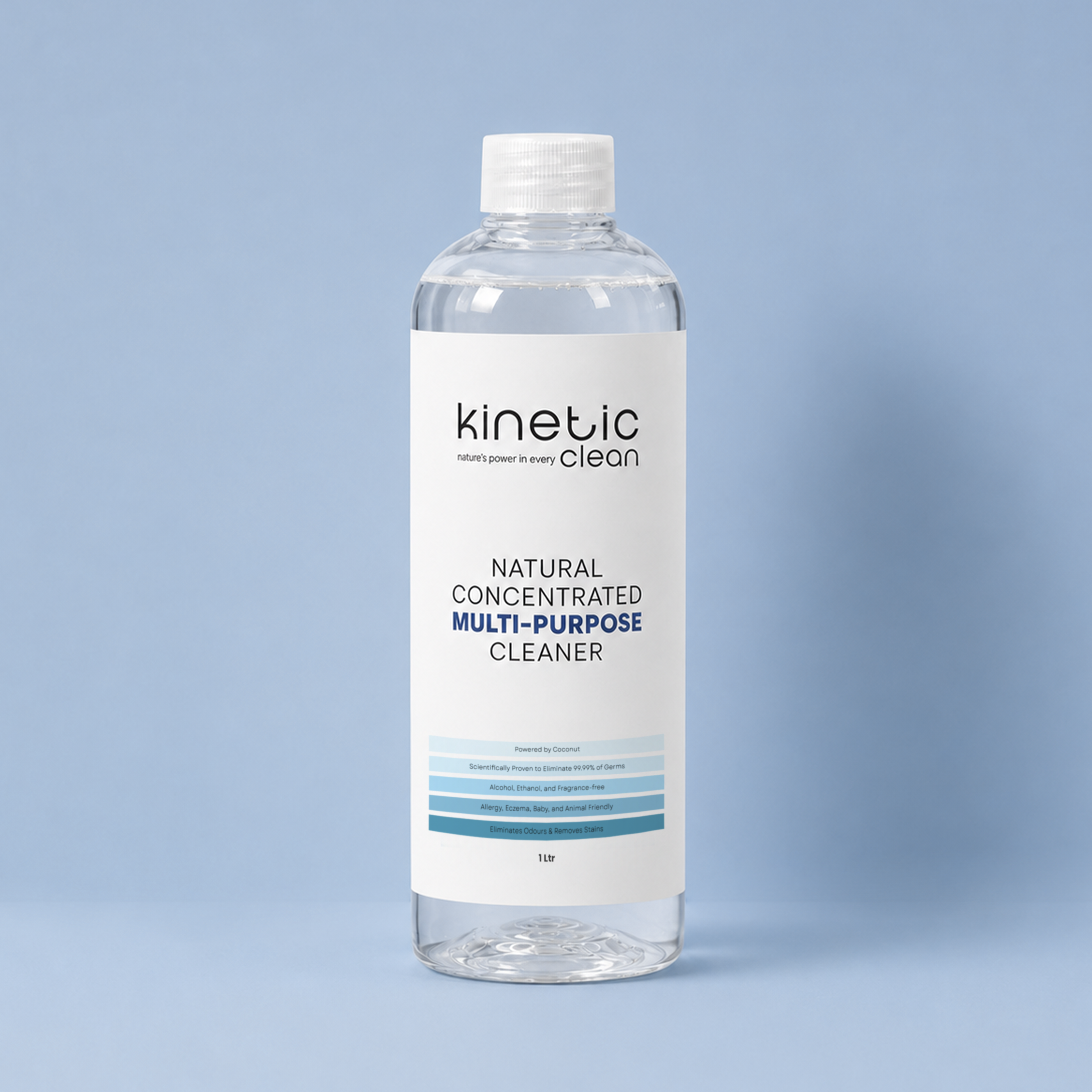
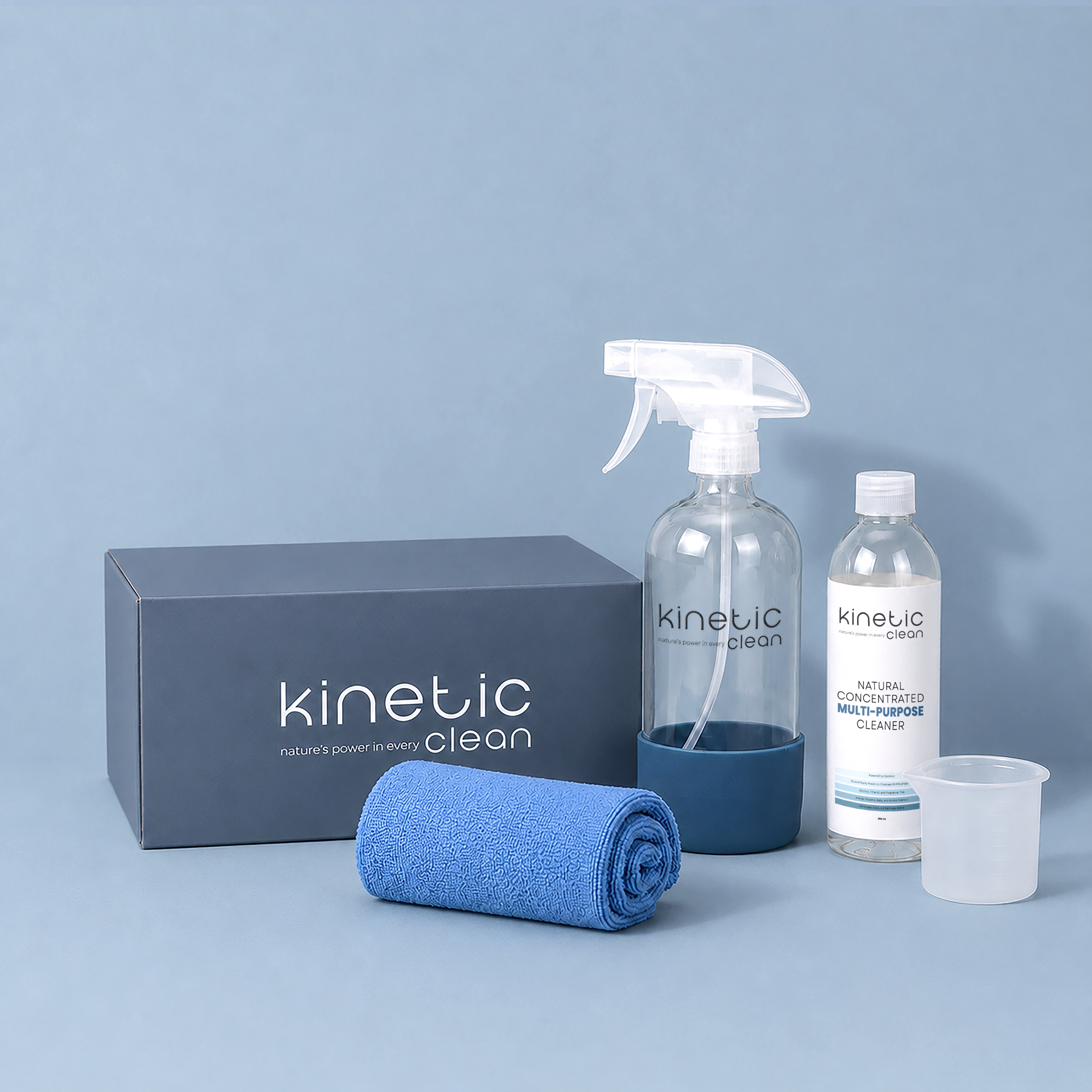



Yes, natural cleaners work for everyday household dirt, provided the product is properly formulated and you use it for the right job. Most kitchen and bathroom mess is grease, food residue and soap scum, and a cleaner built to lift those soils will do the job without synthetic chemicals, artificial fragrances or alcohols. Where people are disappointed, it is usually a single pantry ingredient asked to do something it was never suited to. A ready-made natural formula, such as our Multi-Purpose Concentrate, removes that guesswork.
Before asking whether a product works, decide what you want from it. Three different jobs get lumped together.
When reviewers say a natural cleaner “didn’t work”, they usually mean it did not cut grease or leave a streak-free finish. When a health body says it did not work, it usually means a germ-killing test. Those are separate questions, and the honest answer to the first one is far more positive than people expect. We cover the second further down, with the situations where it matters. Our guide to disinfectant versus cleaner goes into the difference in more detail.
The evidence is more nuanced than either “natural is magic” or “natural is useless”.
A US study published via the CDC compared bleach, an environmentally preferable commercial cleaner and a homemade mix of white vinegar, club soda and tea tree oil. On ceramic surfaces, none of the three met the 85% soil-removal standard, including bleach, and the homemade mix actually performed better than both the bleach and the eco cleaner. On stainless steel, only the homemade mix fell short. The lesson is that the surface, the type of soil and the amount of wiping matter as much as the product name.

An older laboratory study in the Journal of Environmental Health tested lemon juice, vinegar, ammonia, baking soda and borax against commercial cleaners. As a group, the alternative cleaners did less well on soil removal and microbial reduction, yet the authors concluded that people may find them effective at removing soil if they are willing to work harder. That 1994 study tested single kitchen-cupboard ingredients, not modern plant-based formulas, which is exactly the gap a purpose-made product fills.
A poison centre at SUNY Upstate takes a practical view: alternative formulas using baking soda, washing soda, vinegar, lemon juice, liquid soaps and essential oils can clean, deodorize and be non-toxic if you understand the chemistry. In other words, the ingredient must match the job.
These two are the most common starting point, so it helps to know what each one actually does.
Vinegar is an acid. It dissolves mineral deposits, so it is good against limescale in showers and kettles, according to chemist Nathan Kilah writing in The Conversation. It is also useful for soap scum on shower glass and for soaking showerheads.
The catch is that acid can harm materials. Which? notes that white vinegar can corrode some surfaces in the home, and household guidance advises keeping it off natural stone, cast iron, polished metal and hardwood.
Baking soda is a gentle abrasive and an odor absorber. The SUNY Upstate poison centre describes it as a mild, non-abrasive cleanser for counters, sinks and bathtubs. It suits stuck-on food on pots, fridge interiors and sink scrubbing.
It is not a detergent, though. Chemist Dario Bressanini explains to the BBC that most household dirt is greasy and needs surfactants, the ingredients in soap and washing-up liquid that lift grease and hold it in water. In his sofa-stain test, baking soda removed the mark but left a white ring that stayed for weeks.
The fizz looks impressive, but it is mostly chemistry cancelling itself out. After the reaction, over 99% of the baking soda remains, so the scrubbing is still doing the work. Experts quoted by Real Simple say the pair essentially turns into salty water. The Spruce reports a cleaning expert’s view that the combination is only useful for loosening grime, such as a slow drain or baked-on food, and that you then need a degreasing agent such as dish soap.
So the pantry route does work for some jobs, but it asks you to remember which ingredient suits which surface. If you would rather have one product for kitchen counters, bathroom surfaces and general wiping, a formulated cleaner is simpler. That is the reasoning behind our concentrate.

If most household dirt is greasy, a cleaner needs something that gets under the grease and carries it away. That is the role of surfactants, and it is why a well-made natural cleaner can clean as well as a conventional one on everyday soil. A botanical or plant-based formula is not weaker because it is gentler; it simply has to be designed around the soil it faces.
Our Multi-Purpose Concentrate is made without synthetic chemicals, artificial fragrances or alcohols, which are the ingredients that can irritate skin and lungs in conventional products. It is built for families, first-time cleaners and anyone sensitive to harsh products who wants one cleaner for the whole house, rather than a cupboard of single-purpose bottles. Our guide to reading cleaning product ingredients explains what each type of ingredient does.
A few practical points help any natural cleaner perform:
For ordinary daily life, thorough cleaning removes most of the dirt and the germs sitting in it. Disinfection becomes relevant in particular situations: after raw meat has touched a counter, during a stomach bug, or when someone in the household is especially vulnerable.
The Journal of Environmental Health study makes this point directly: where there are specific health concerns, such as newborn babies or family members with weakened immune systems, only registered disinfectants have been tested with standard methods to show germ-killing action. The NSF advises that surfaces where bacteria can grow need both steps: wash kitchen counters with mild detergent and hot water, then disinfect with a labeled product and follow the contact time on the label before rinsing.
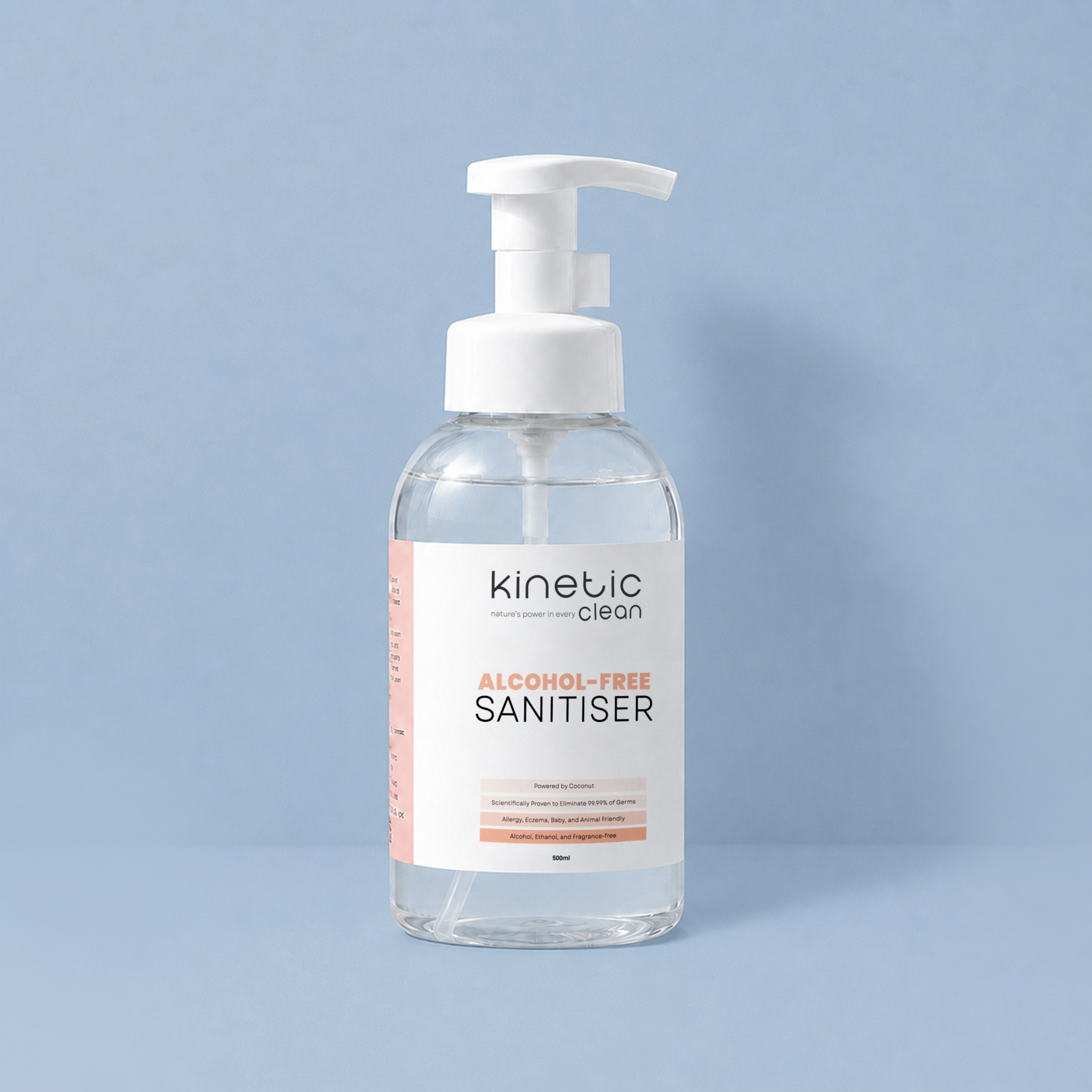
If you are in one of those situations, speak to your GP or health visitor about the right level of hygiene for your household, and follow the label of any disinfectant you use. For routine cleaning, our Kinetic Clean Sanitiser sits alongside the concentrate for surfaces you want to freshen.
If you ever mix products, keep the basics in mind. TURI warns never to combine bleach and ammonia, because it creates chloramine gases that irritate the eyes, nose and throat and can be fatal, and that acid-based toilet bowl cleaners with bleach produce chlorine gas. A single ready-made cleaner removes the temptation to combine anything.
Bathrooms are where people most often ask about natural methods, because the problems are specific.
If you cook and clean in a busy household, it is worth thinking about the room as a whole. Layouts that keep surfaces clear make wiping quicker, as this guide to a safe, family-friendly kitchen shows.
“Natural” has no tightly defined meaning on a cleaning bottle. The American Cleaning Institute points out that all chemicals used to make ingredients exist in nature, and that “natural” claims usually refer only to the source of the surfactant, plant oils or crude oil. So read past the front of the bottle.
Useful checks:
For a wider look at what makes a product non-toxic, see our overview of non-toxic cleaning products.
We started Kinetic Clean from a simple idea: if we would not put harsh chemicals on our skin, we should not spray them around the places we live. Many conventional cleaning products rely on synthetic chemicals, artificial fragrances and alcohols that can irritate skin and lungs, and families tell us they want a gentler option.
The question “do natural cleaners work?” is fair, and the answer comes down to design. A cleaner has to match the dirt it meets. That is why we focus on a multi-purpose concentrate made from natural ingredients, so one product can handle the daily wipe-down in kitchens and bathrooms without the harsh ingredients.
Our approach comes from our founder Catherine’s work across natural, non-toxic living, from gut-nourishing foods to tallow-based skincare. Cleaning is part of the same picture: the products we use at home are part of our wellbeing.
TekHive
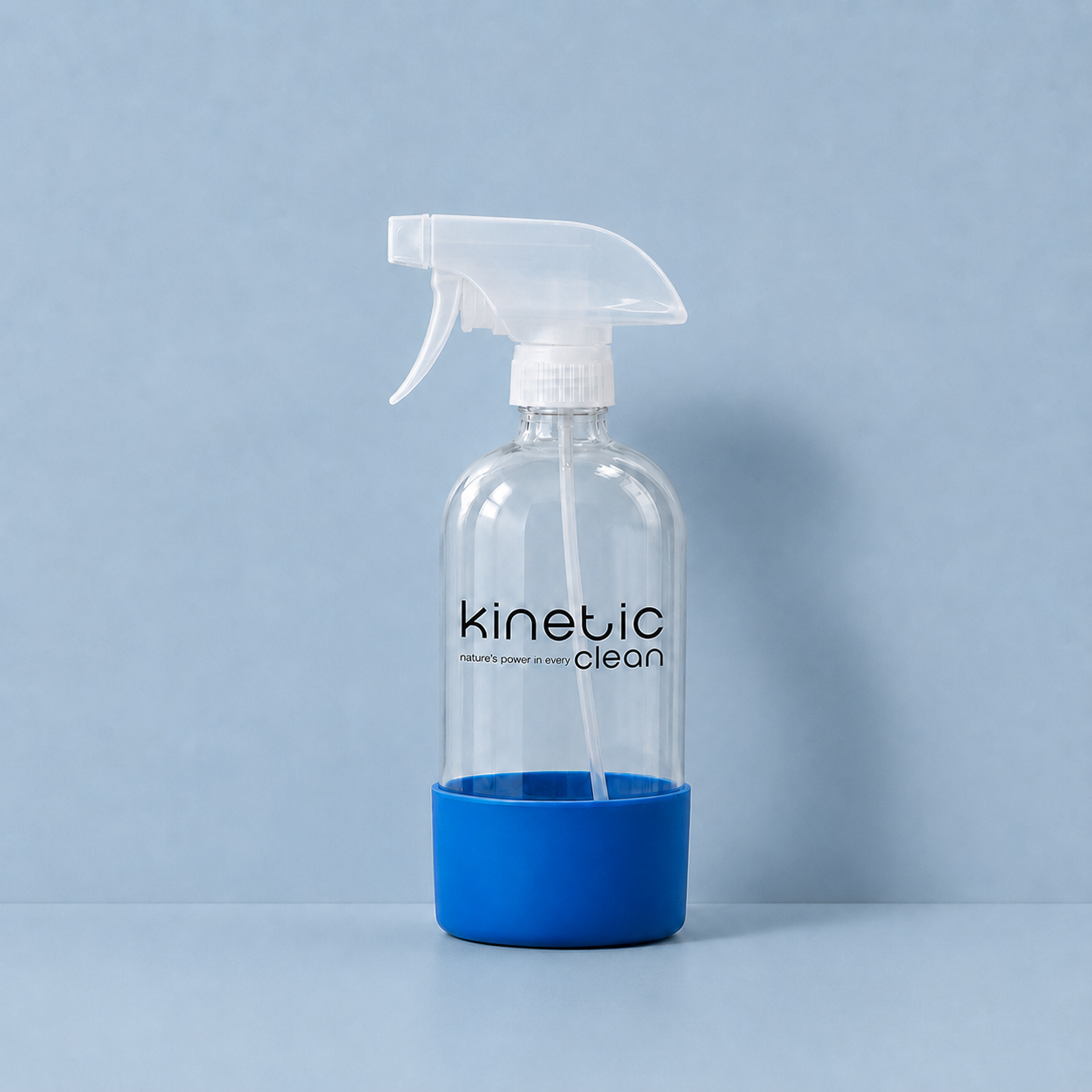
If you want to find out for yourself whether a natural cleaner works on your kitchen and bathroom, our Starter Bundle is a simple place to begin. The 1L Concentrate Formula and the 250ml Concentrate Formula are made without synthetic chemicals, artificial fragrances or alcohols.

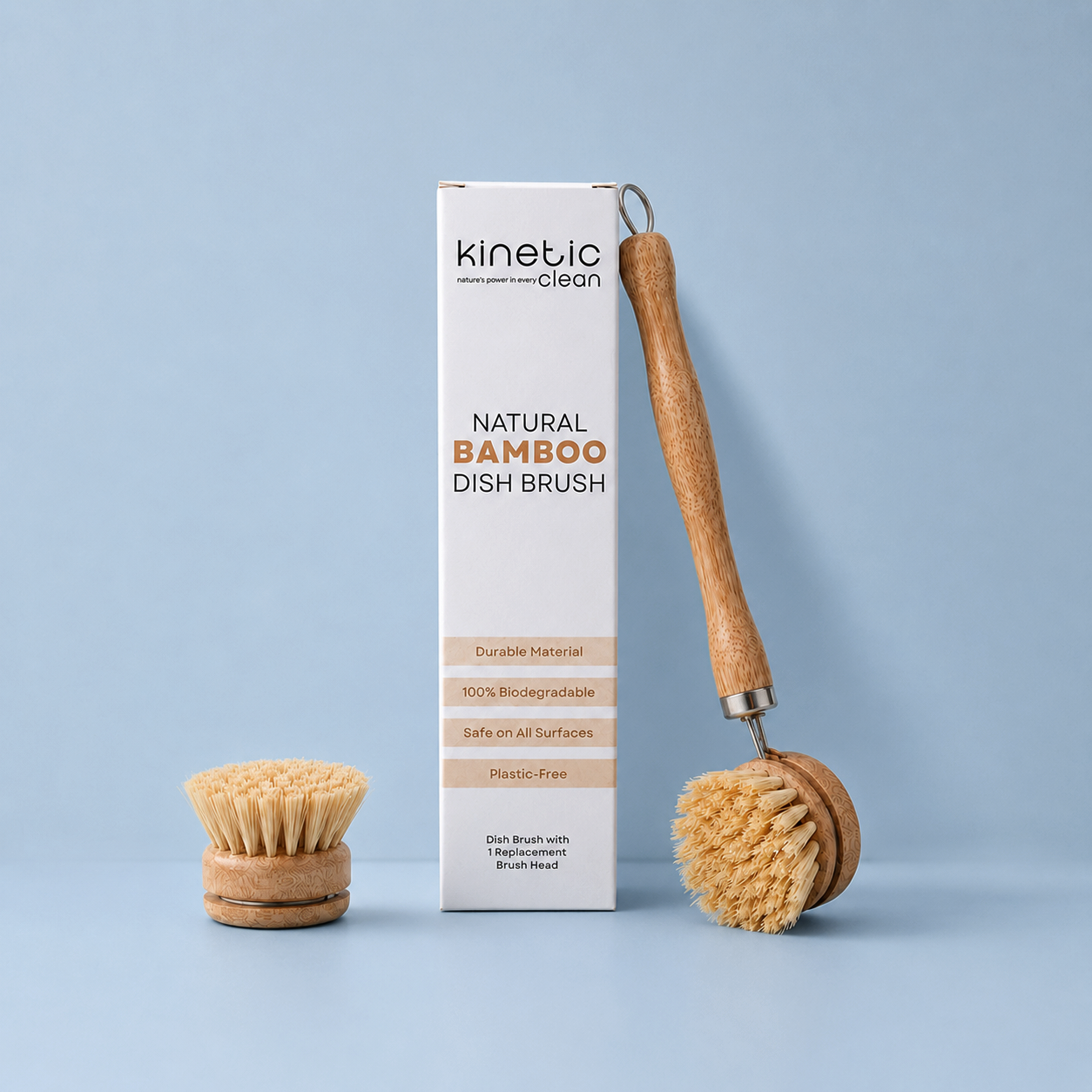
Pair the concentrate with the Bamboo Dish Brush, from £2.99, for pans and stubborn residue.
For everyday soil such as grease, crumbs and soap scum, a well-formulated natural cleaner can be just as effective, especially with a little wiping effort. Results depend on the surface and the soil, as the CDC-hosted study showed even for bleach on ceramic. Disinfection is a separate job with its own tested products.
Yes, separately and for the right jobs. Vinegar dissolves limescale and baking soda scrubs gently, but mixing them gains little because the fizz mostly cancels out. Avoid vinegar on natural stone, cast iron, polished metal and hardwood.
They can reduce your exposure to synthetic chemicals, fragrances and alcohols, which matters for families and sensitive people. “Natural” is not a regulated promise, so check the ingredient list. Even gentle products should be kept out of reach of children and used as the label directs.
For daily cleaning, mostly yes. If your household includes a newborn or someone with a weakened immune system, ask your GP or health visitor how to approach hygiene, and use a product labeled to disinfect where they advise it.