Cart
0
You may also like



The safest alternative to an air freshener is a home with nothing to mask: remove the source of the smell, let fresh air in, clean with fragrance-free products and, if you still want a scent, choose a gentle, non-combustible option used sparingly. Clean air has no smell of its own, so a home that smells of “nothing” is the real goal. This guide walks through each step in the order that works best, with what to watch for if you have children, pets, asthma or sensitive skin. Our own range is built around the first and most effective step: cleaning without synthetic chemicals, artificial fragrances or alcohols.
Most air fresheners work by releasing fragrance chemicals into the room. That is the part that concerns health bodies. The UK’s National Institute for Health and Care Excellence (NICE) advises that people whose asthma is triggered by household sprays, air fresheners or aerosols should avoid them and use non-spray alternatives. The same guidance says carers of babies under 12 months should reduce the use of these products too, because babies are at increased risk.
Labels do not always help you decide. The New Jersey Department of Health notes that fragrance chemicals are not required to be listed on labels, and that some products described as “all-natural” or “unscented” have still tested positive for toxic chemicals. It also points out that children are especially vulnerable, because they spend time on the floor, put their hands in their mouths and have developing nervous and reproductive systems. That is a US source, but the chemistry of fragrance ingredients is the same in a UK living room.
The practical conclusion is not to find a “better” fragrance. It is to need less fragrance in the first place.
Chemist Sullivan, quoted in The Guardian, argues that a strong chemical “clean” smell is the opposite of what a chemist would call clean. The best-smelling homes come from removing odor sources, absorbing what remains and filtering the air, rather than adding fragrance on top.
A quick walk-through usually finds the cause:
This is where many households undo their own effort. A research report from PHF Science found that cleaning products emit numerous fragrance-related VOCs (volatile organic compounds, gases released into indoor air), with few of them disclosed on labels. Regular and “green” products showed similar emissions, while fragrance-free formulations emitted substantially less. The report recommends low-VOC or fragrance-free cleaners, not overusing products, and ventilating during and after cleaning.
NICE gives matching advice in its guidance on reducing exposure to indoor air pollution: avoid excessive use of household cleaning products and air fresheners, and read and follow the instructions. Camden Council likewise recommends low-chemical, low-VOC cleaning products in place of aerosol sprays.
Our products are made without synthetic chemicals, artificial fragrances and alcohols, so cleaning a kitchen or bathroom does not leave a fragrance trail behind it. If you want to understand what is on a label, our guide to cleaning product ingredients explains what each type does, and our page on fragrance-free cleaning covers sensitive skin and sensitive homes.

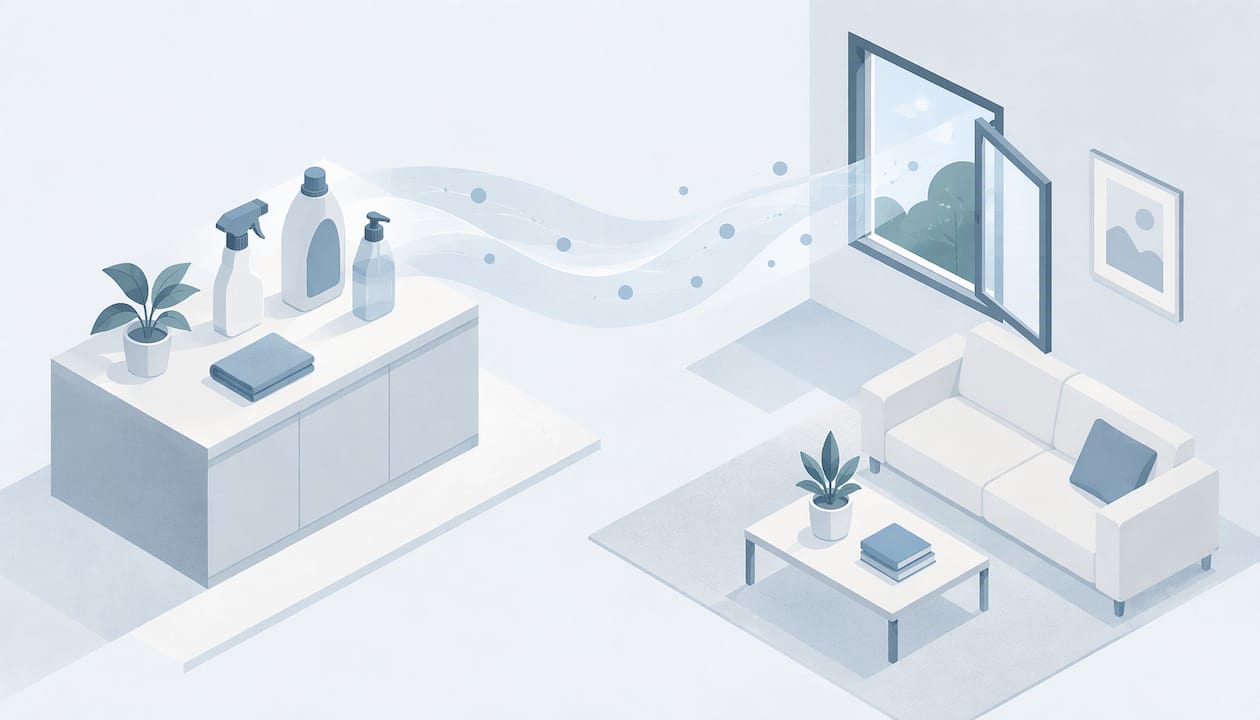
Ventilation is the cheapest and most effective “air freshener” there is. NICE advises increasing ventilation with bathroom or kitchen extractor fans, or by opening windows where it is possible and safe, when activities such as using cleaning products, household sprays or aerosols may lead to poor indoor air quality. Santé publique France recommends ventilating the home for at least 10 minutes a day, in winter and summer.
Some habits that make it work:
If the bathroom stays damp and smelly, the fan may be the problem. A guide on bathroom ventilation explains why proper extraction matters for moisture and odor. For whole-home damp and condensation problems, positive input ventilation is a fixed system that brings filtered air into the property and moves stale, moist air out.
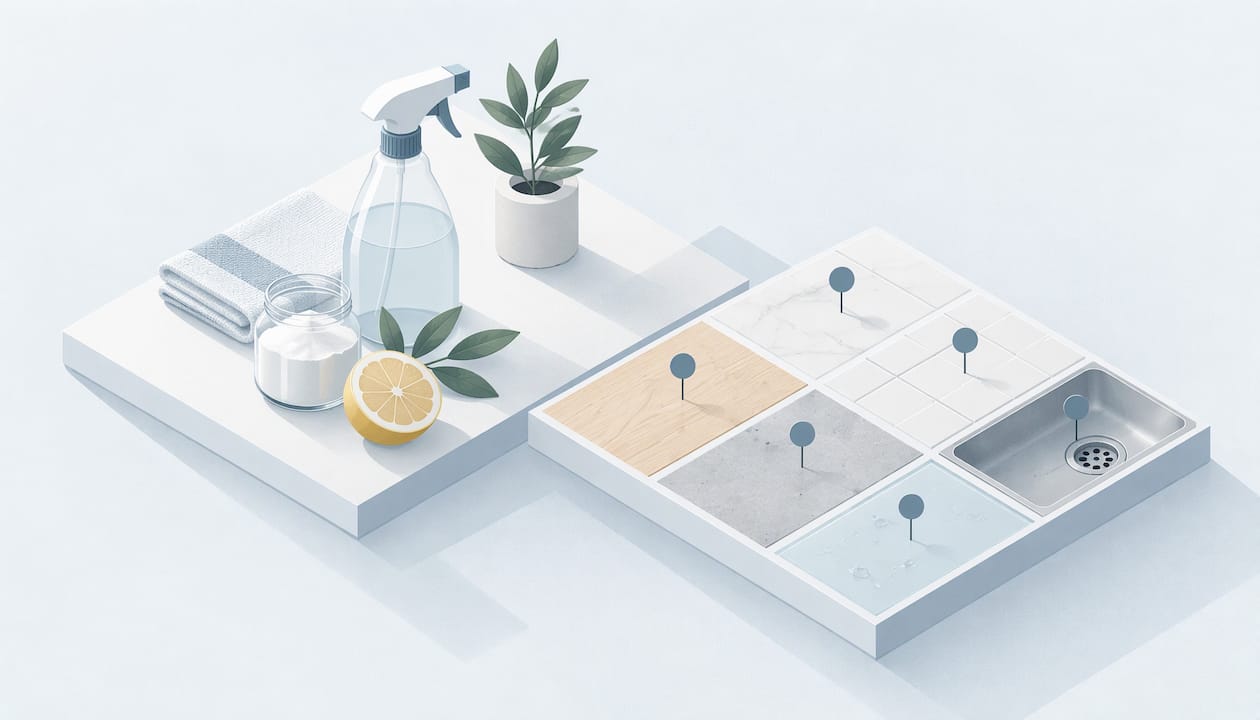
Absorbers take smells out of the air instead of covering them, and they release no fragrance. They suit families, pets and anyone who reacts to scent.
A word on homemade recipes: sprays that mix vinegar, citrus or oils with water can work for light refreshing, but they are still a scent added to the air. Passive absorbers are the simplest place to begin.
Some people want their home to smell of something. These options are gentler than a plug-in or aerosol, provided you keep them light and occasional.
Simmer pots, a pan of water with citrus peel, spices and vanilla, scent a room for as long as you heat them. The Guardian suggests using a hot plate or slow cooker rather than a gas stove, and never leaving a pot to boil dry or unattended.

The Guardian notes that essential oils are generally safe in small quantities for fragrance, but people with respiratory conditions such as asthma may find them irritating. Pet owners need particular care, because clove, eucalyptus and geranium oils can be harmful to animals. A good rule is to skip diffusers altogether in rooms where babies sleep, where pets cannot leave freely, or where someone has asthma, and to ask your GP or pharmacist if you are unsure.
Burning anything creates combustion by-products. The Guardian reports that candles and incense produce nitrogen oxides, carbon monoxide and polycyclic aromatic hydrocarbons. If you do burn candles, it cites Green America’s advice: choose 100% plant-based wax or beeswax rather than petroleum-based paraffin, with wood or cotton wicks, scented with phthalate-free fragrance oils or pure essential oils, in a well-ventilated room and in moderation. Santé publique France goes further and advises avoiding incense and candles altogether, noting that clean air has no smell and so heavily scented products are unnecessary.
| Option | Adds fragrance? | Burns or sprays? | Best for | Take care if |
|---|---|---|---|---|
| Removing the source and cleaning with fragrance-free products | No | No | Every home | Ventilate while you clean |
| Opening windows and using extractor fans | No | No | Cooking, bathroom and damp smells | Poor outdoor air: use a HEPA filter |
| Baking soda, vinegar or charcoal | No | No | Kitchens, bathrooms, cupboards | Keep bowls out of reach of children and pets |
| Simmer pot | Yes, natural | Heats water | Occasional scent when you are at home | Never leave unattended |
| Essential oils | Yes | Sometimes diffused | Small, occasional use | Asthma, babies, pets |
| Candles and incense | Yes | Yes, burns | Occasional use only | Combustion by-products; ventilate |
| Plug-ins and aerosol sprays | Yes, synthetic | Yes, releases VOCs | Not recommended as a first choice | Asthma, babies, sensitive skin |
If you do buy a ready-made product, treat words such as “natural”, “eco” or “unscented” as a starting point. As noted above, the New Jersey Department of Health says that some air fresheners labelled “fragrance free” still contain phthalates, a group of chemicals used in fragrances that it describes as endocrine disruptors. Look for a full ingredient list, and favor products with few ingredients and no unspecified “fragrance” or “parfum”. The same approach applies to cleaners, and our guide on how to reduce toxins at home shows a room-by-room routine.
Follow the NICE advice above: reduce sprays, air fresheners and aerosols, and use non-spray alternatives. If someone in the home has asthma, speak to their GP or asthma nurse before introducing any new scented product. For cleaning choices while pregnant, see our guide to cleaning products during pregnancy.
Birds and cats are especially sensitive to airborne products. Keep oils, diffusers and simmer pots out of rooms where pets sleep or cannot leave, and use passive absorbers instead. If a pet starts to cough, sneeze, drool or behave strangely, stop using the product, move the pet into fresh air and call your vet.
A lingering musty smell points to damp, a drain or a hidden source. Deal with the cause, with ventilation or repair work, instead of covering it with scent. Mixing cleaning products is also unsafe: never combine cleaners, and see our note on ammonia cleaning risks.
We started Kinetic Clean from a simple idea: we would not put harsh chemicals on our skin, so we should not use them to clean the spaces we live in. Air fresheners are the clearest example. They add chemicals to a room to make it smell clean, when a clean room does not need to smell of anything.
That is why we put cleaning first. When surfaces, floors and bathrooms are cleaned with products free from synthetic chemicals, artificial fragrances and alcohols, there is no fragrance layer to cover up and nothing extra to breathe in. Families, and people who are sensitive to scents, tell us the same thing they tell everyone: they want a home that feels calm, not one that smells strongly of something.
Our advice is a routine you can keep up. Clean regularly, open the windows, put an absorber where smells collect, and use fewer products overall. A simple, fragrance-free routine suits first-time cleaners as much as experienced ones.
TekHive
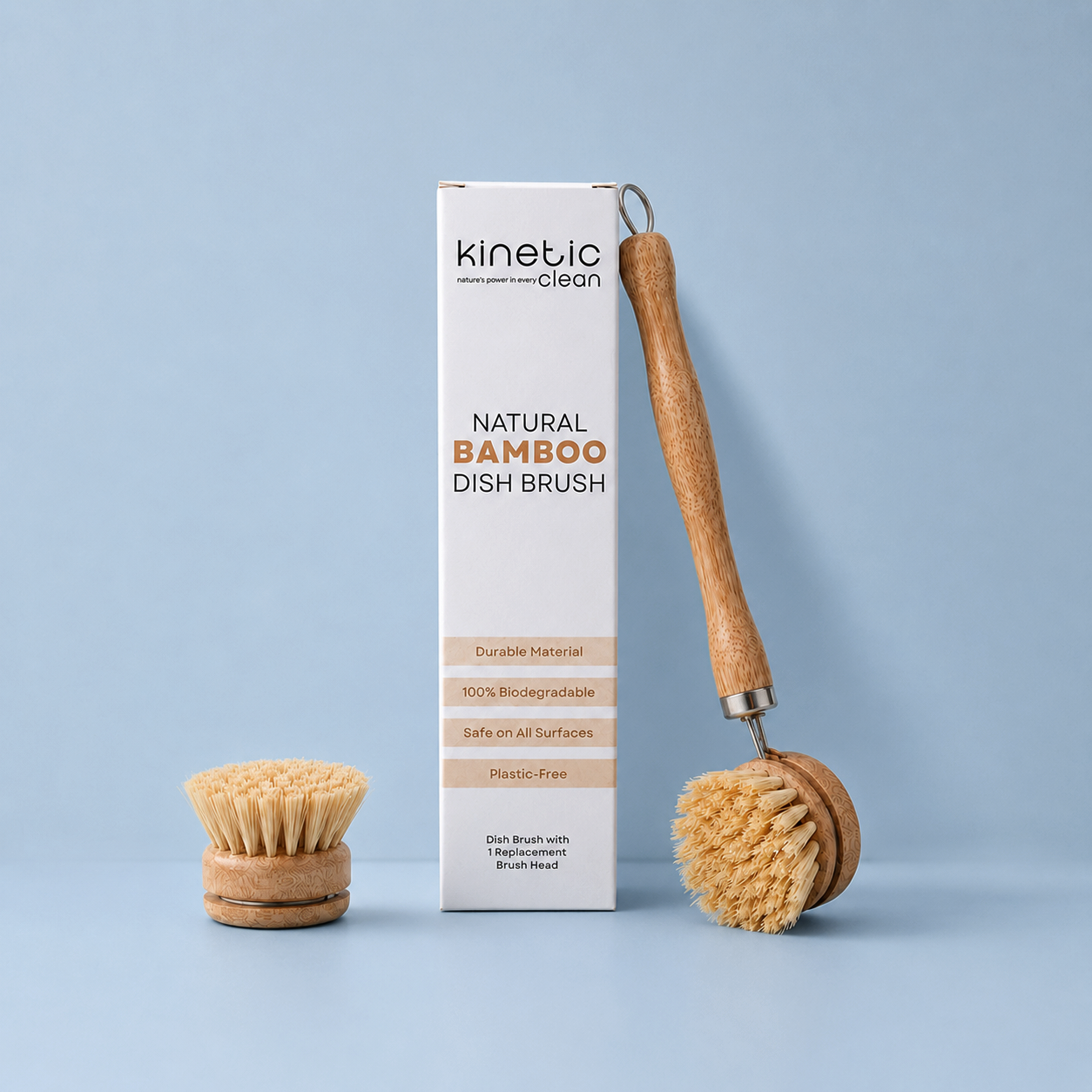
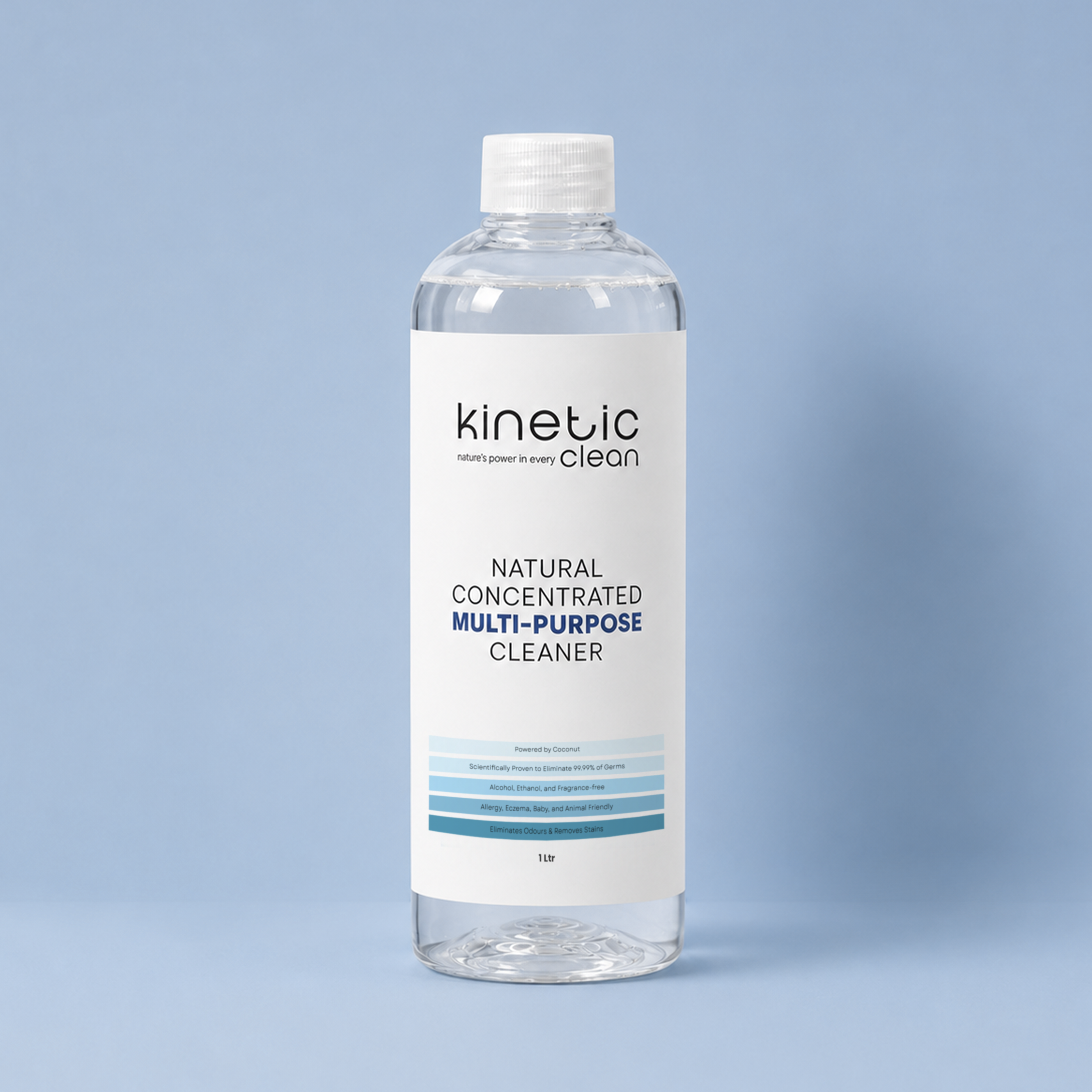
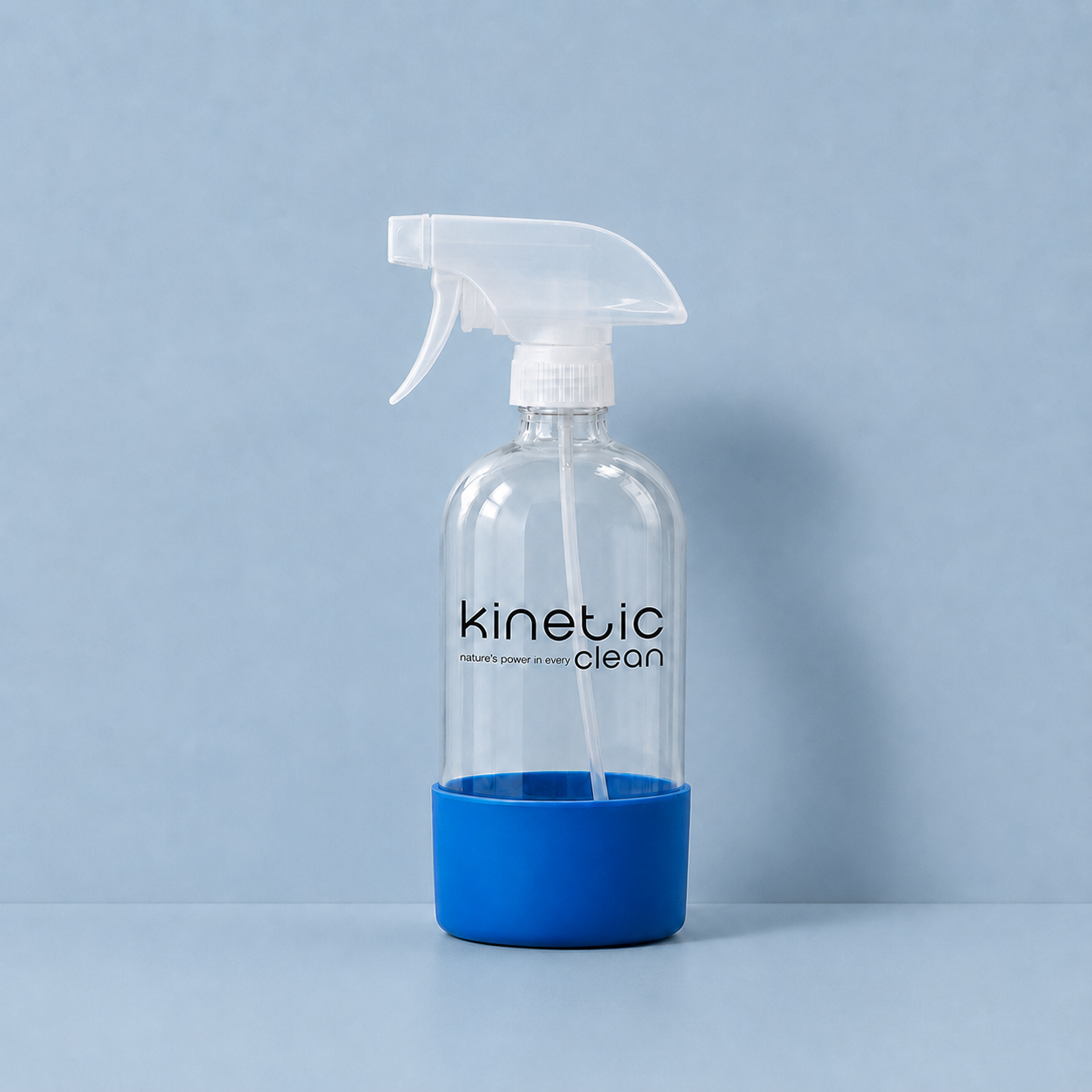
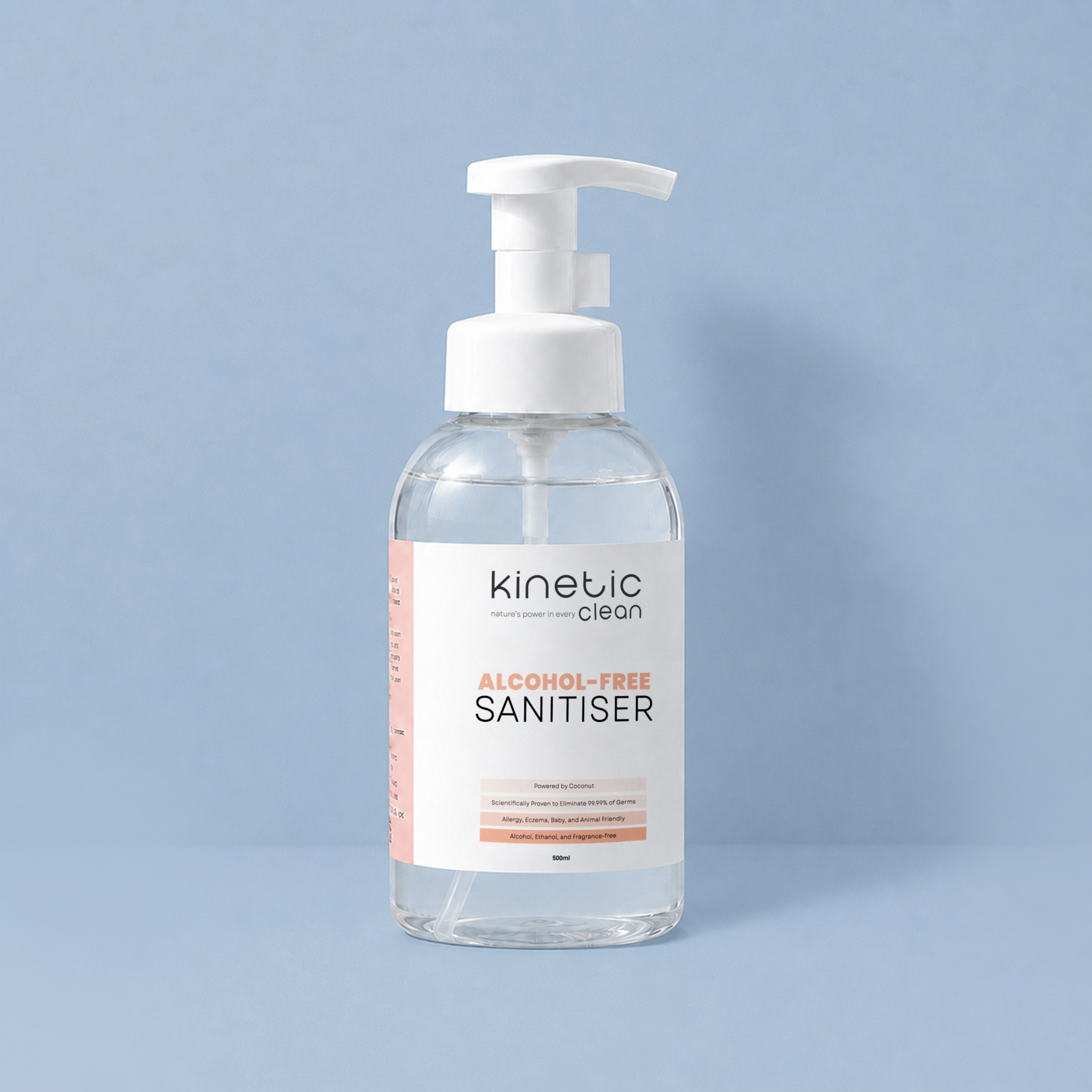
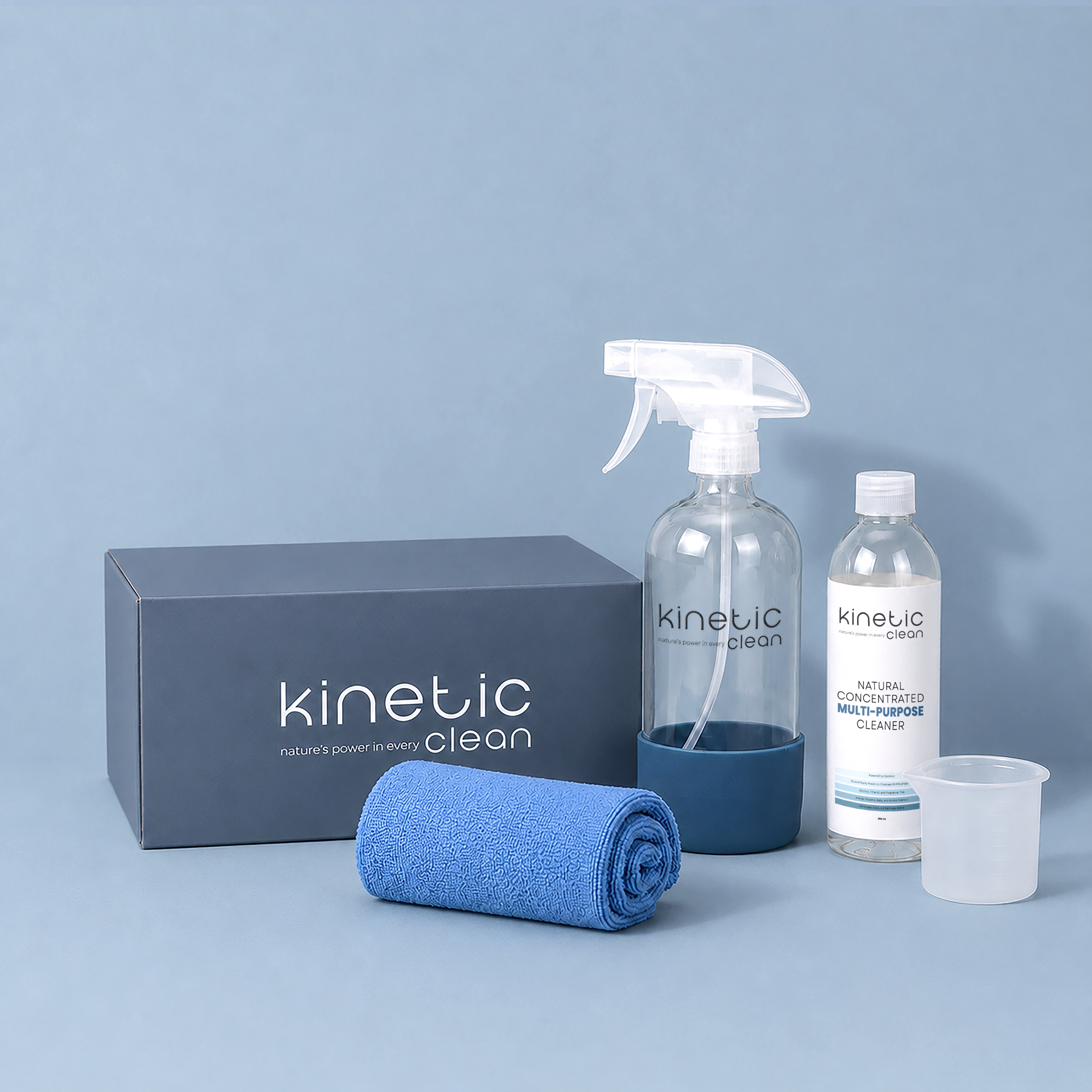
If you are replacing an air freshener, the most useful swap is in the cleaning cupboard. Our Multi-Purpose Concentrate and Sanitiser are made without synthetic chemicals, artificial fragrances or alcohols, so cleaning leaves the room fresh without a scent trail. You can start with the Starter Bundle, or look at the 1L Concentrate and the Sanitiser. Our Bamboo Dish Brush starts from £2.99 on the full collection.

For a wider introduction to how we think about ingredients, read our guide to non-toxic cleaning products.
The best options add no fragrance: removing the source of the smell, opening windows, running extractor fans and placing baking soda, vinegar or activated charcoal where odors collect. If you want a light scent, a simmer pot with citrus peel and spices is gentler than a spray, as long as it is not left unattended.
In small quantities they are generally considered fine for fragrance, but people with asthma may find them irritating, and some oils, including clove, eucalyptus and geranium, can be harmful to animals. Avoid diffusing them where babies sleep or pets cannot leave the room, and ask your GP or vet if you are unsure.
They can. Fragrance ingredients are not required to be listed on labels, and the New Jersey Department of Health reports that some “natural” or “unscented” products have tested positive for toxic chemicals. Choosing no spray at all, and ventilating instead, avoids the question.
Run the extractor fan during and after showers, dry surfaces and clean soap film and grout regularly, then keep a small jar of baking soda or an activated charcoal pouch out of reach behind the toilet or under the sink. Cleaning with a fragrance-free product means the room does not carry a scent that needs covering.