Cart
0
You may also like


Ammonia in a household cleaner is usually present at a low concentration, and used as directed it rarely causes harm. The real risks come from three situations: breathing concentrated fumes in a closed room, getting a strong solution on skin or in eyes, and mixing it with bleach or other products. This guide explains what ammonia does in a cleaner, what it can do to the body, what to do in an emergency, and how to cut exposure at home, especially if you have children, pets, asthma or a sensitive chest.
GOV.UK describes ammonia as a colourless, reactive gas that is lighter than air, dissolves readily in water and has a strong, urine-like smell. It is used in some home cleaning products as well as in garden fertilisers.
In a bottle, ammonia is dissolved in water, which makes ammonium hydroxide. Chemical Safety Facts explains that this ingredient appears in many cleaners for tubs, sinks, toilets, countertops and tiles, and that it breaks down grime from animal fats or vegetable oils, such as cooking grease and wine stains. Because it evaporates quickly, it is also common in glass cleaners, where it helps avoid streaks.
Poison Control notes that ammonia in household products is typically at a low concentration, and that glass cleaners are the most common products containing it. That context matters: the risk is not that every bottle is dangerous the moment you open it. The risk depends on concentration, ventilation, how you use it, and what else is in the room.
The effects depend on the route of exposure and the strength of the product. Here is what official health bodies describe.
According to GOV.UK, breathing low levels of ammonia may irritate the eyes, nose and throat. High levels may cause burns and swelling in the airways, lung damage and death. These severe outcomes are linked to high exposures, such as a large spill in a small space, not routine wiping of a window.
The UKHSA incident management document lists the symptoms clinicians look for after inhalation: irritation of the eyes and nose, sore throat, cough, chest tightness, headache and wheeze. In more serious cases, fluid on the lungs with increasing breathlessness can take up to 36 hours to develop. That delay is one reason to seek medical advice after a significant exposure even if you feel better at first.
The CDC says that normal amounts of ammonia in the environment do not cause health effects, but that some people with asthma or other chronic lung disease may be more sensitive to breathing it. If you or someone in your home has a lung condition, that is a good reason to choose cleaning products with extra care.

GOV.UK states that strong ammonia solutions may cause serious skin burns. Most household products are far weaker, but a concentrated or undiluted product, a long contact time or broken skin can raise the risk. Wearing gloves is a simple precaution, and the NHS recommends gloves, goggles or a mask when handling or using harmful chemicals.
Eyes are the most vulnerable. The UKHSA document notes that alkaline solutions such as ammonia can damage all layers of the eye and should be treated as an ophthalmic emergency. GOV.UK says that eye splashes may cause irreversible damage and loss of sight. The CDC adds that ulcers and perforations of the eye can appear weeks or months after exposure, and that cataracts and glaucoma have been reported.
The UKHSA document says that swallowing ammonia causes immediate burning of the mouth, throat and stomach, followed by abdominal pain, vomiting and breathing difficulty. Young children, who may mistake a bottle for a drink or a toy, are the group to protect most carefully. GOV.UK notes the effect on children is likely to be the same as on adults, which is why storage matters so much.
The CDC reports that repeated exposure to ammonia may cause chronic cough, asthma, lung scarring and reactive airways dysfunction syndrome, though these findings relate to significant exposures. The London Fire Brigade also lists chronic bronchitis and reduced lung function as possible results of longer-term exposure to toxic chemicals from cleaning products, and says children, older people and people with existing health conditions may be at greater risk.
A Mayo Clinic Q&A points to an international study in which women who regularly use cleaning products, particularly professional cleaners, may see a faster decline in lung function over time. Its advice: choose cleaners with low levels of potentially toxic chemicals, keep the area ventilated and never mix products.
Most serious home incidents are not caused by ammonia alone. They happen when two products meet.
Ammonia and bleach. GOV.UK’s guidance on sodium hypochlorite states that mixing bleach with an ammonia-containing cleaner may produce chloramines, which are highly irritating to the respiratory tract. Poison Control says the resulting gas can cause coughing, sore throat, shortness of breath and wheezing.
Bleach and acids. The same GOV.UK page explains that bleach mixed with acidic products releases chlorine gas, which can cause burning of the eyes and throat, coughing, breathing difficulty and swelling of the airways. In high concentrations it can cause potentially fatal fluid on the lungs. Toilet cleaners and some limescale removers are acidic, so this is a common accident in bathrooms.

This is not a rare or theoretical problem. Bedfordshire Fire and Rescue Service reported that crews had been called to a number of homes where residents unintentionally triggered chemical reactions, for example by mixing bleach with toilet cleaner or ammonia-based sprays. Its advice is to read the label, follow the instructions and never mix products.
The habit that sometimes causes trouble is “layering”: spraying one product, then adding a second for extra power. The London Fire Brigade advises rinsing a surface before using a different product and allowing time between products. A sensible rule is one product, one job, then rinse.
Social media is another source of risk. A safety expert quoted by Wales Online warns that a million views does not make a chemical mix safe, and recommends checking official guidance and following the instructions on the bottle.
Caution belongs at the moment of action, so here are the steps from UK health sources. If anyone is seriously affected, do not wait to look anything up.
The NHS poisoning guidance says that if you think someone has swallowed, touched or breathed in something harmful, you should call 999 or go to A&E, and call NHS 111 if you are unsure. Do not make the person vomit, and do not give them anything to eat or drink while you wait for help.
Have the bottle with you when you call, so you can read out the product name and ingredients.
Bedfordshire Fire and Rescue advises that if you mix chemicals by accident and feel unwell, you should leave the area straight away and call 999. Get into fresh air and keep other people, including pets, out of the room. Do not try to cancel the reaction by adding another chemical.
GOV.UK advises removing soiled clothing (not pulling it over the head), washing the area with lukewarm water and soap for at least 10 to 15 minutes, and seeking medical advice. For a chemical burn, the NHS says to call 999, wear gloves if you can, remove contaminated clothing and hold the area under cool or lukewarm running water for about an hour. Do not put creams or other chemicals on the burn.
GOV.UK advises removing contact lenses, rinsing with lukewarm water for at least 10 to 15 minutes and seeking medical advice. Given the UKHSA’s description of alkali eye injuries as an emergency, treat any significant splash as urgent and do not wait for symptoms to build.
For chemical incident advice, the UKHSA document gives a 24-hour chemical hotline for health professionals, but members of the public should use 999 or NHS 111.
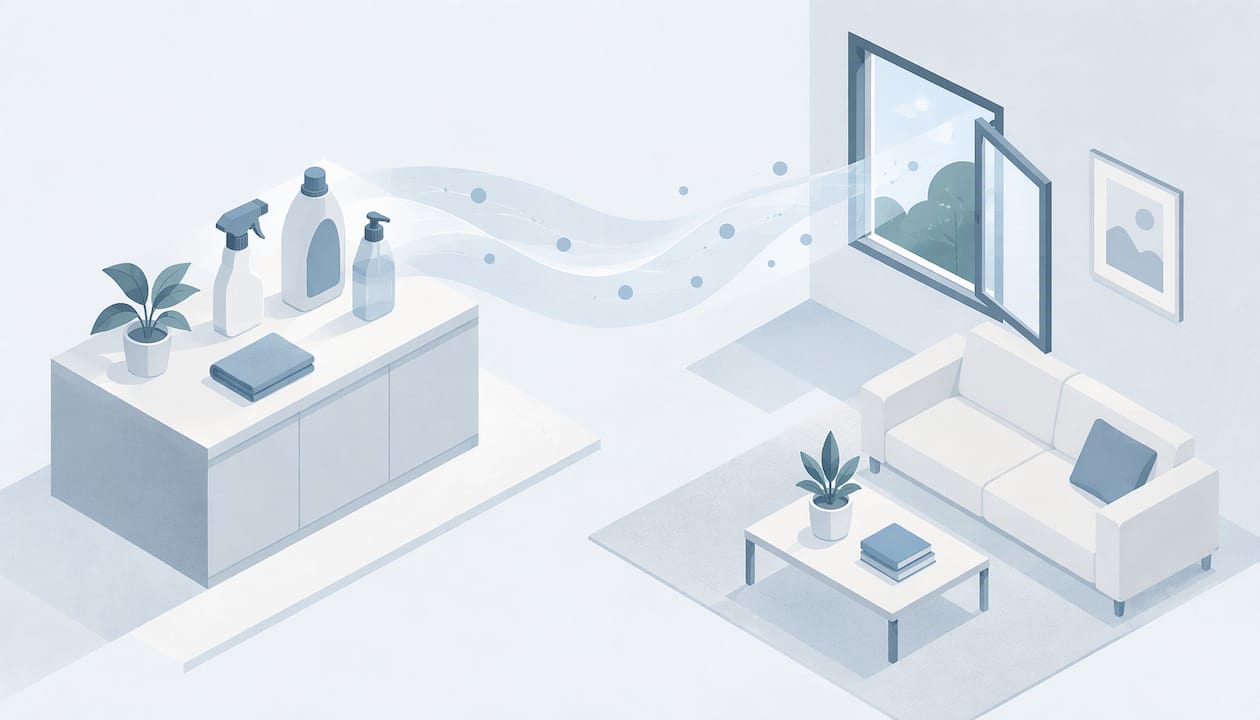
The aim is not to fear cleaning. It is to build habits that keep exposure low every day.
Children, older people and anyone with asthma or another lung condition may be more affected by fumes, according to the London Fire Brigade and the CDC. In these homes, reducing the number and strength of products used is a sensible first step. Mayo Clinic’s Dr. Clayton Cowl suggests cutting back on chemicals where possible, for instance using warm water and a microfiber cloth for light jobs. If you are pregnant, our guide to cleaning products during pregnancy covers what to use and what to avoid.
Ammonia is not always listed as “ammonia”. Look for ammonium hydroxide, ammonia solution or similar wording, and check the hazard symbols and warnings on the back. Glass and multi-surface sprays are the most likely place to find it, according to Poison Control. Our guide to reading cleaning product ingredients explains what common ingredients do and how to spot them. Also look for any warning against mixing the product with others, and for first aid instructions, which UK labels usually provide.
If you are choosing a product to replace one you are unsure about, our overview of non-toxic cleaning products sets out what to look for. For the difference between cleaning and killing germs, see disinfectant vs cleaner. And if you are tempted to reach for bleach on mould, we explain how to remove mildew without bleach.
Cleaning should not leave you wondering whether the air in your kitchen is safe to breathe. Our founder Catherine builds every brand on one idea: if we would not put a harsh chemical on our skin, we should not use it to clean the places where our families live, eat and sleep.
That is why Kinetic Clean products are designed to be free from synthetic chemicals, artificial fragrances and alcohols. We make them for families, first-time cleaners and health-sensitive people who want a gentler alternative to conventional products that can irritate skin, lungs and overall well-being.
The official guidance above is clear that most harm comes from strong products, poor ventilation and accidental mixing. A simple range makes good habits easier: fewer bottles, less to confuse, and less temptation to layer products. We believe a calm, careful approach to cleaning is better for every member of the household.
TekHive
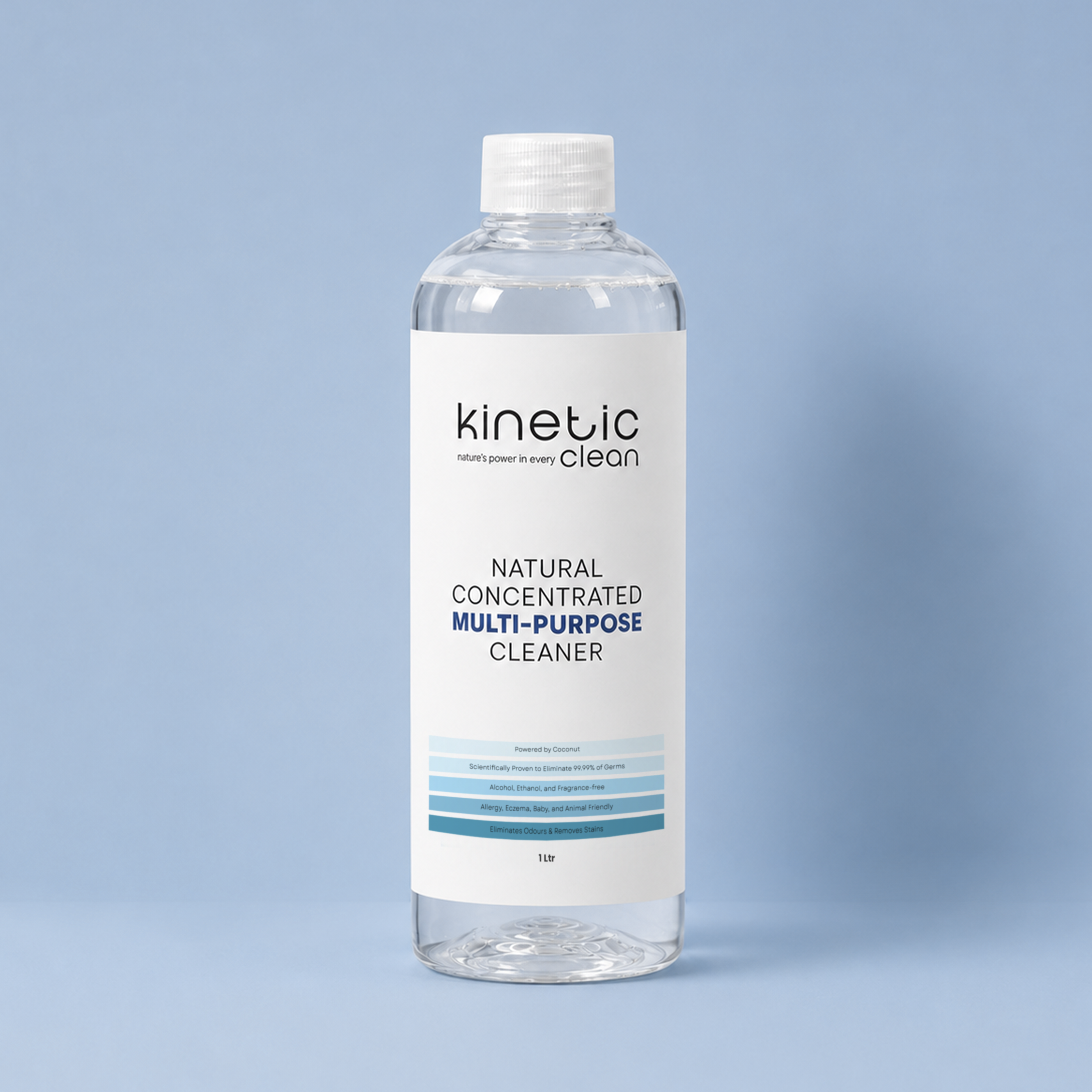
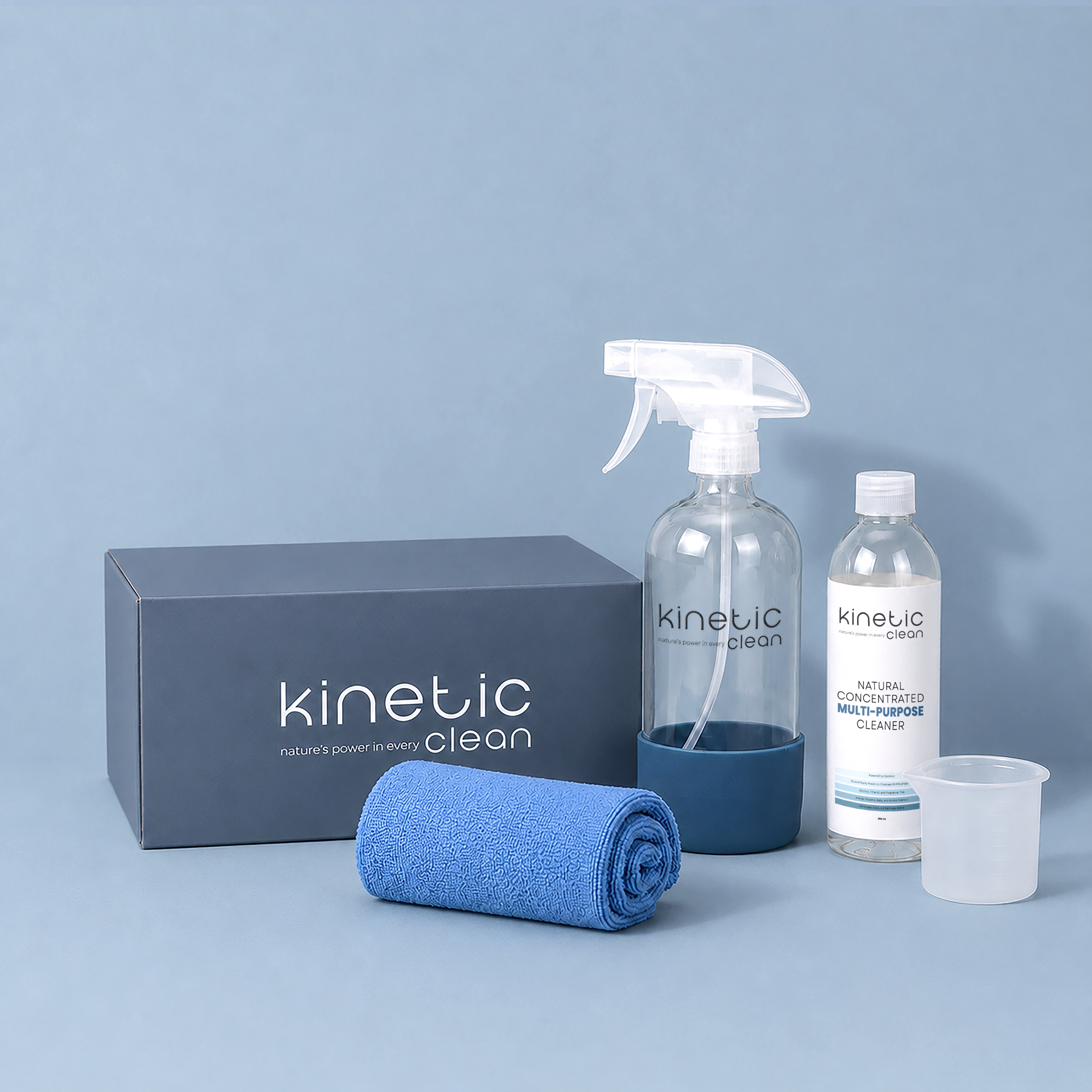
If you want to cut down the number of bottles under your sink, our Multi-Purpose Concentrate is designed to be a gentler everyday option, free from synthetic chemicals, artificial fragrances and alcohols. You can see it on the 1L Concentrate Formula page, or choose the smaller 250ml Concentrate Formula if you would like to start small.

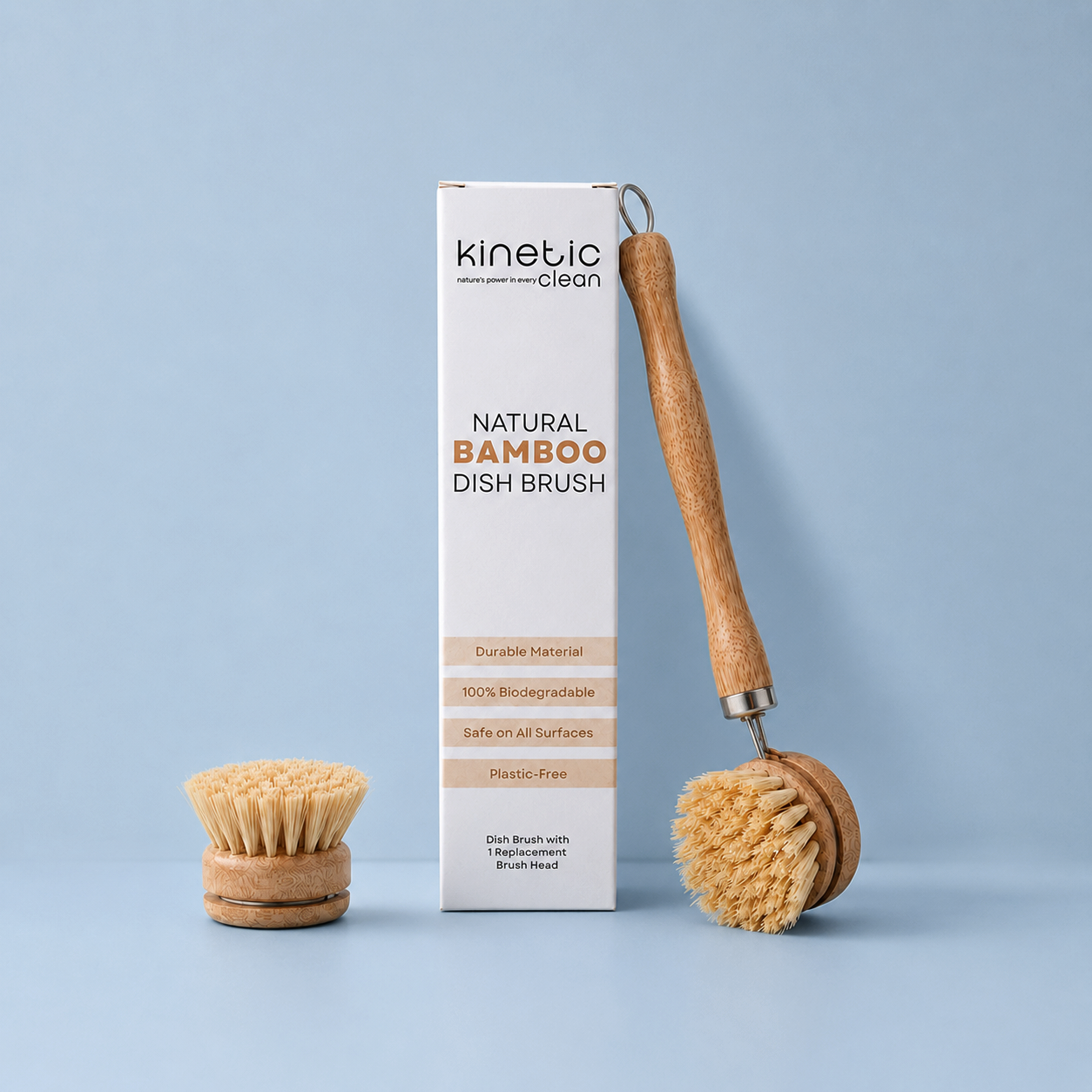
For dishes, our Kinetic Clean Bamboo Dish Brush is available from £2.99. You can browse the full range on our Kinetic Clean home page, and whatever you use, keep following the label and the storage advice above.
GOV.UK says home exposure from certain cleaning agents is likely to be minimal when products are used appropriately. Problems arise from spills, poor ventilation, strong solutions and mixing products. People with asthma or other lung conditions may be more sensitive, so extra care is wise.
No. Mixing ammonia-based cleaners with bleach can produce chloramines, which irritate the airways, and bleach with acids releases chlorine gas. Use one product at a time and rinse surfaces between products. If you accidentally mix them and feel unwell, leave the area and call 999.
Call 999 or go to A&E straight away, or call NHS 111 if you are unsure. Do not make the child vomit or give anything to eat or drink. Keep the bottle to show the ingredients to the responders.
For skin, remove contaminated clothing and wash with lukewarm water for at least 10 to 15 minutes, then seek medical advice. For eyes, remove contact lenses and rinse with lukewarm water for at least 10 to 15 minutes. Because alkali eye injuries can be serious, get urgent medical help.
Poison Control says glass cleaners are the most common household products containing ammonia, because it evaporates before streaks form. It can also appear in some multi-surface, oven and bathroom cleaners, so check the ingredients list for ammonia or ammonium hydroxide.