Cart
0
You may also like


The safest way to clean aluminium is also the simplest: warm water, a little mild washing-up liquid and a soft cloth. For discolouration and hard-water marks, diluted white vinegar is the usual next step. You do not need a solvent-heavy or strongly alkaline product to get aluminium looking good again, and strong alkaline cleaners can discolour it. This guide covers pans, hob surfaces and other household aluminium, what to avoid, and how to keep your cleaning routine gentle on your home and your family.
Most products that appear when you search for an aluminium cleaner are made for boats, wheels, garden furniture or industrial kitchens. They are designed to strip oxidation and tarnish quickly, and that is often done with strong acids or alkalis. That is not what most households need. At home, aluminium usually means saucepans, baking trays, moka pots, window frames, hob trims and the odd bit of outdoor furniture. The dirt is mostly grease, food residue and limescale.
So a sensible, non-toxic approach to aluminium rests on three ideas:
In practice, a non-toxic aluminium cleaner is one that is gentle on skin and lungs, free from strong fragrance and harsh solvents, and used at a sensible dilution on a surface it will not damage.
For general dirt and build-up, regular dish soap and water applied with a soft cloth is the recommended starting point. It is cheap, low-risk and suitable for most household aluminium.
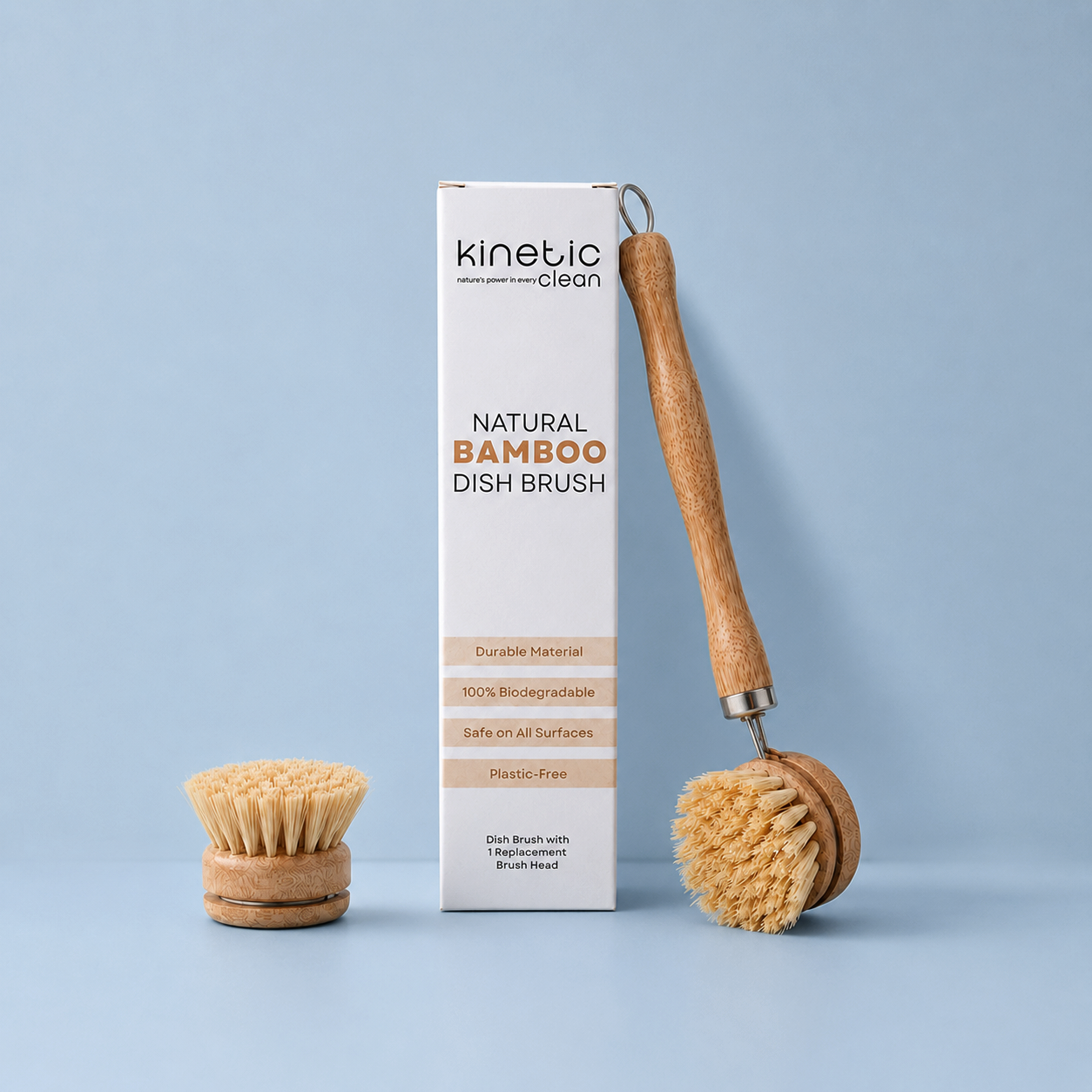
A soft brush is useful for corners, seams and the inside of pans. A bamboo brush with firm natural bristles does this job without the scratching you get from harsh scourers, which is one reason we sell a bamboo dish brush alongside our cleaning formulas.
Aluminium cookware often develops a rainbow-coloured tint or a cloudy white film. Neither is dirt in the usual sense, and neither needs an aggressive product.
These three tips come from cookware makers, so follow the care leaflet that came with your own pans where you have it. Hard-anodised and non-stick pans in particular can have specific instructions.
Vinegar earns its place in a gentle routine, but it is not for everything. Which? notes that white vinegar can corrode some materials and surfaces in the home. Use it diluted, for short contact times, rinse it off, and keep it away from natural stone and similar surfaces.
Some cleaning guides suggest a paste of baking soda and water, scrubbed with a ball of crumpled aluminium foil, for burnt pans. It is a recognised method, but it should not be used on non-stick or ceramic surfaces. On a plain aluminium pan, treat it as a last resort after soaking, because abrasion is the opposite of gentle.
This is where most people go wrong, and it is the question behind searches such as “what should you not clean aluminium with?”.
| Avoid | Why | Gentler choice |
|---|---|---|
| Alkali-based cleaners (strong degreasers, oven cleaners, caustic products) | Alkali-based cleaners can cause discolouration of aluminium | Mild dish soap and warm water |
| Mixing cleaners, such as bleach with vinegar or ammonia | Mixing cleaning products can produce harmful gases, liquids or fumes | One product at a time, rinsing between |
| Mixing bicarbonate of soda and vinegar in one go | The neutralisation reaction reduces how well each one works | Use them one after the other, not together |
| Abrasive pads and wire wool | They scratch the surface and make it hold dirt | A soft cloth or natural-bristle brush |
| Aerosols sprayed onto hot surfaces | HSE guidance says aerosols must never be sprayed directly onto hot surfaces, because harmful vapours can form | Cool the surface first and use a cloth |
| Decanting products into food or drink containers | HSE advises keeping substances in their original labelled containers | Original bottle, or a clearly labelled spray bottle |
People often ask whether a degreaser or a lubricant spray such as WD-40 is a good way to clean aluminium. For a household, the gentler answer is that you rarely need either. Grease on aluminium pans and trims usually lifts with warm water and washing-up liquid. If you do reach for a degreaser, read the label first, check it is intended for the material, keep it off hot surfaces and never combine it with another cleaner. Lubricant sprays leave an oily film, which is not what you want on a surface that touches food.

Many of the people searching for an aluminium cleaner are really cleaning the hob around an aluminium pan, or dealing with aluminium pan marks on glass. Both ceramic and induction hobs have smooth glass-ceramic tops that scratch easily, so the principle is the same: gentle first.
Which? advises that induction hobs may need only a simple wipe-over. Do it once the hob is cool enough to touch, so spills have not baked on. A damp microfibre cloth and a drop of washing-up liquid is usually enough.

For burnt-on residue on an electric ceramic or induction hob, the same guidance recommends using a hob scraper first, then a cream cleaner or degreaser. Here is a low-risk routine:
If you are looking for a ceramic hob cleaner without harsh chemicals, check these things on the label:
Those criteria also answer the “best aluminium cleaner” question for a home user. The best one is not the strongest one. It is the one that matches the material, is easy to use correctly and leaves nothing irritating behind.
Gentle cleaning still deserves careful handling, particularly in a household with children, pets or anyone with asthma or sensitive skin.
If you have burnt a pan and want to avoid fumes altogether, soaking in hot soapy water and waiting is gentler than reaching for a stronger product.
We started Kinetic Clean from a simple idea: we would not put harsh chemicals on our skin, so we should not use them to clean the places we live. Our founder, Catherine, already works with brands built around gut-nourishing foods and tallow-based skincare, and cleaning products felt like the natural next step.
When people search for an aluminium cleaner, they are usually offered industrial products made for boats, wheels and commercial kitchens. In a family home, aluminium is a saucepan, a baking tray or a hob trim, and the dirt on it is food, grease and limescale. We believe the best routine is the gentlest one that does the job: warm water, a mild detergent, a soft brush, and a cleaner that you are happy to have in the room where you cook.
That is why our formulas are designed to be free from synthetic chemicals, artificial fragrances and alcohols, and why we offer a bamboo dish brush as an alternative to harsh scourers. Conventional cleaners often rely on ingredients that can irritate skin and lungs, and families should have an easy alternative for everyday cleaning.
TekHive
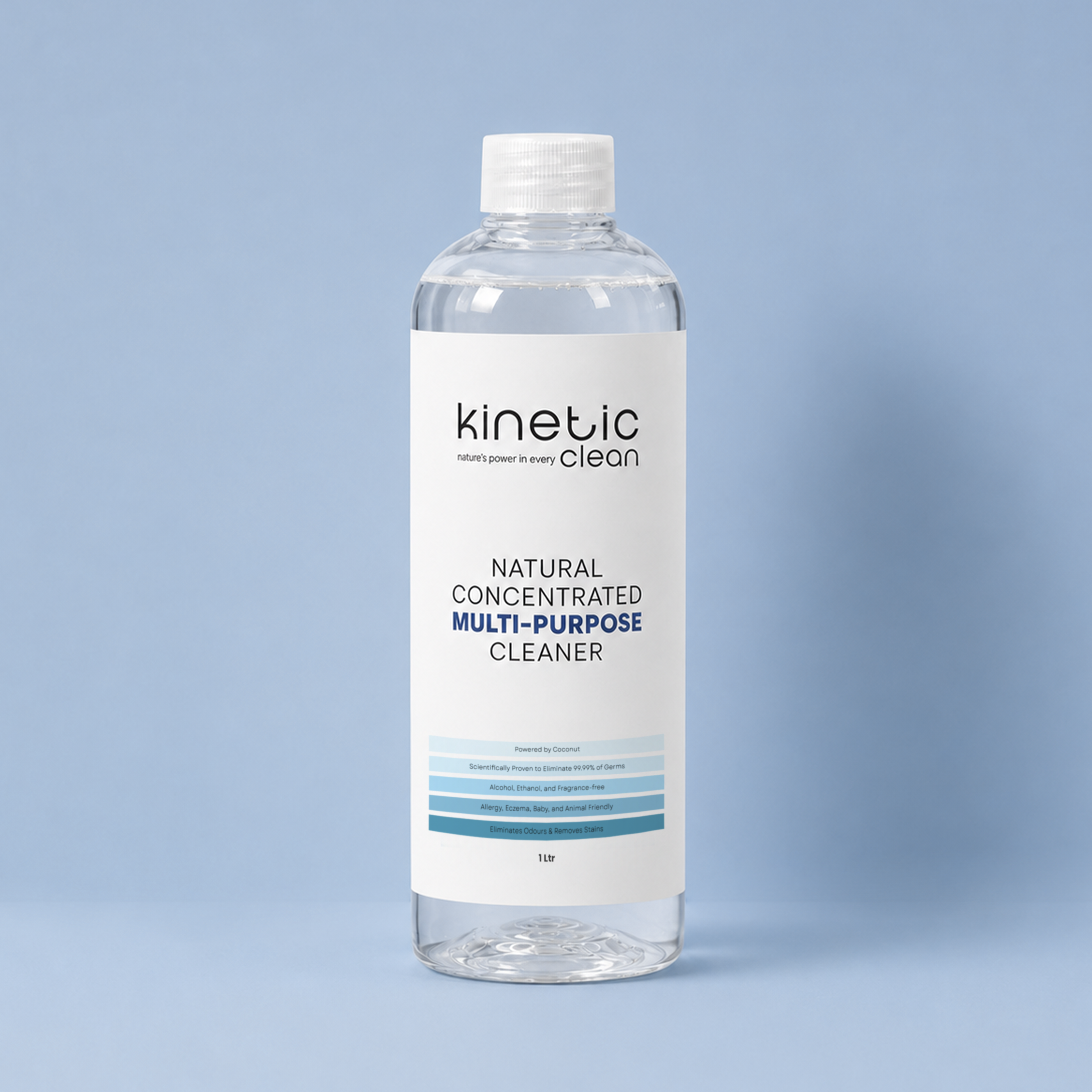
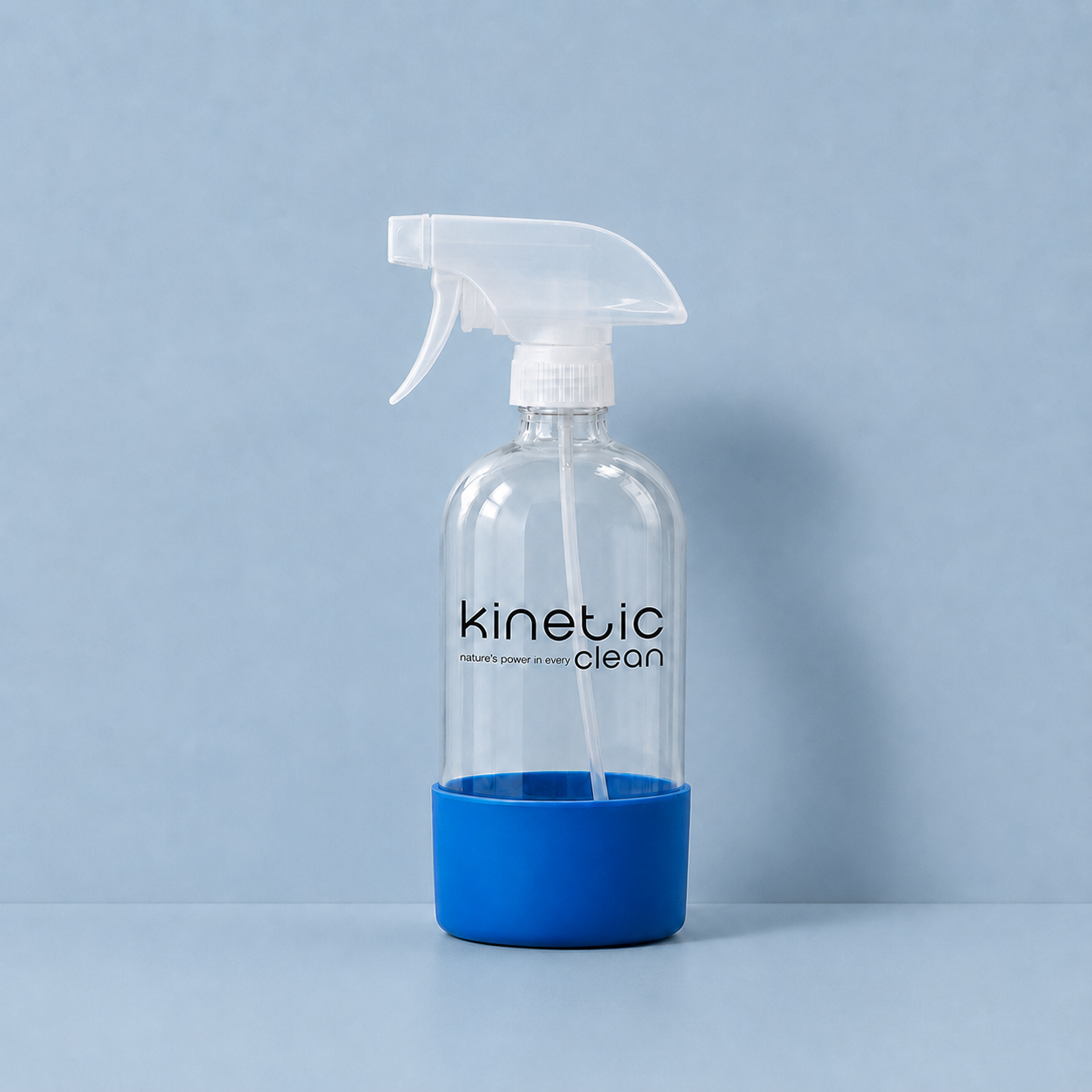
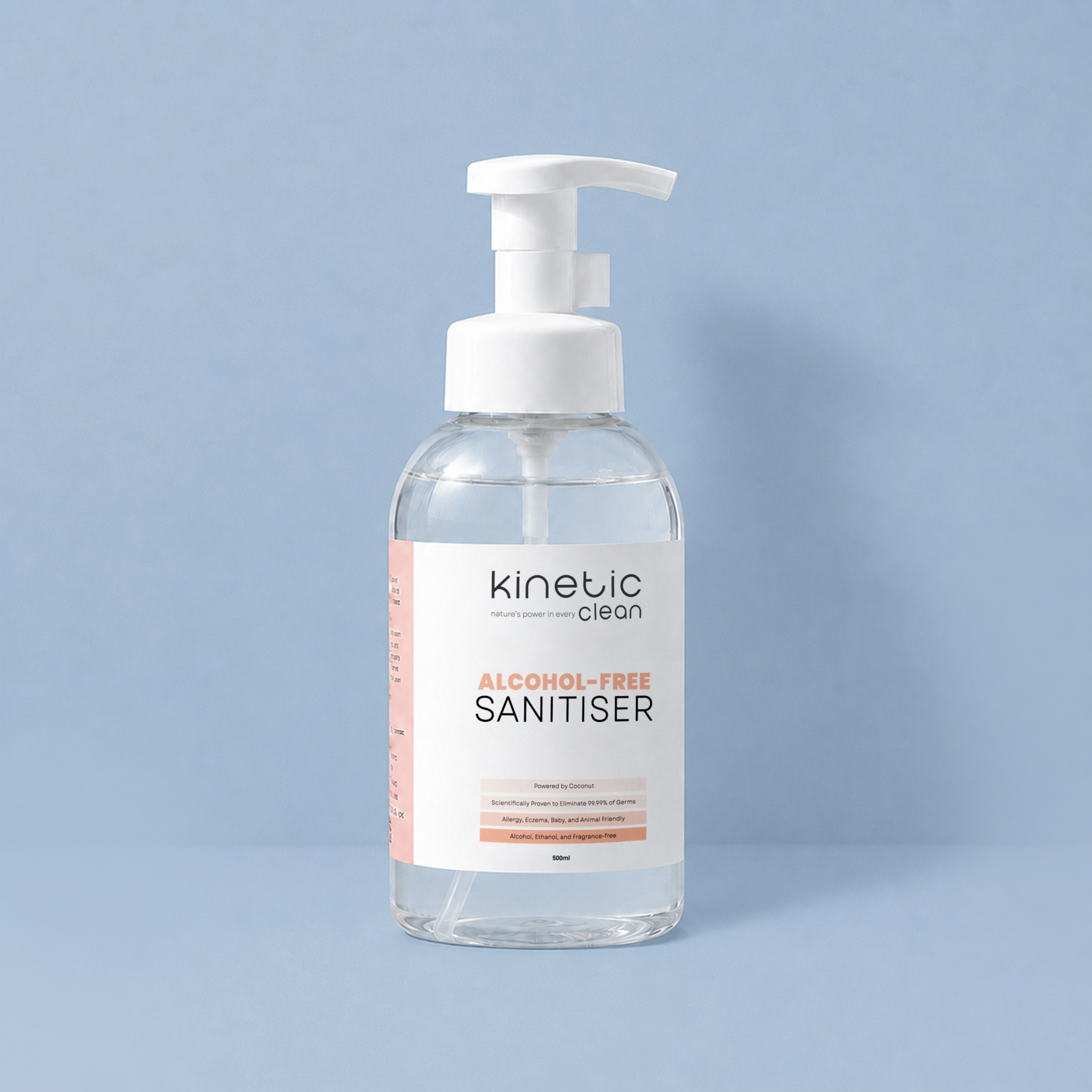
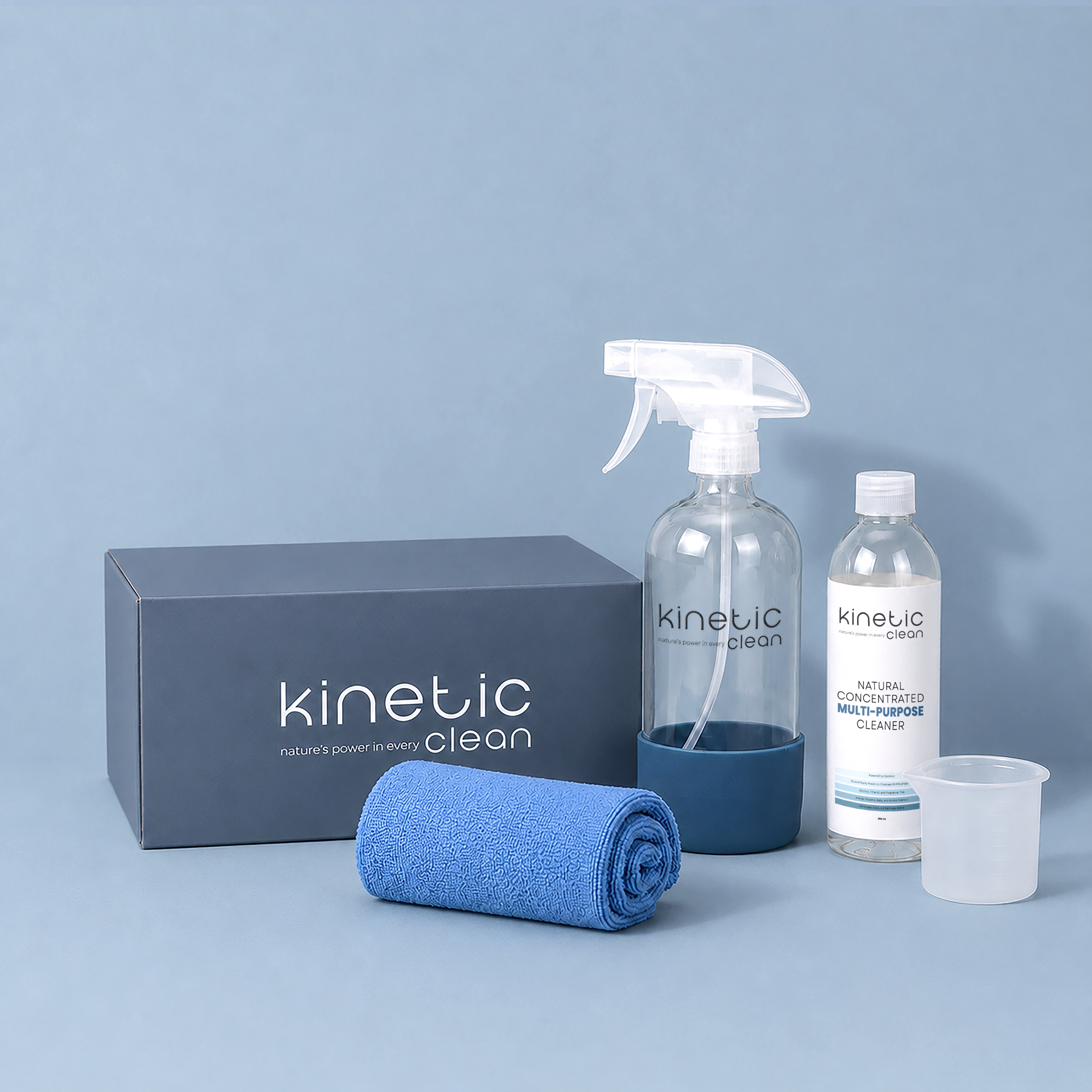
For the daily wipe-downs around your kitchen, we offer a Multi-Purpose Concentrate and a Sanitiser, both made without synthetic chemicals, artificial fragrances or alcohols. The 1L Concentrate Formula is made to be diluted, and pairs with a 500ml glass spray bottle for easy use. If you want everything in one order, the Starter Bundle is a simple place to begin.

The Bamboo Dish Brush starts from £2.99 and is a practical tool for pans and trays, where you want firm cleaning action without scratching. You can browse the full range on our shop.
Whether you are cleaning aluminium or any other household surface, work through this checklist:
Warm water, mild washing-up liquid and a soft cloth. This removes dirt and build-up without the discolouration that alkali-based cleaners can cause. Rinse and dry afterwards.
Yes, diluted. Cookware makers suggest wiping with diluted white vinegar for rainbow tints, or boiling a vinegar and water solution for cloudy hard-water spots. Rinse thoroughly, and keep vinegar away from surfaces it can corrode.
Check the label for the material first, because alkali-based products can discolour aluminium. Never spray an aerosol onto a hot surface and never combine it with another cleaner. For most household grease, hot soapy water is enough.
Wipe it once cool with a damp cloth and a little washing-up liquid. For burnt-on food, Which? recommends a hob scraper, then a cream cleaner or degreaser only if needed. Rinse and buff dry.
It is not worth it. Which? scientific advisers explain that mixing them reduces the effect of both. Use them one after the other if you want to use both.