Cart
0
You may also like



Most household cleaners are built from a handful of ingredient families: surfactants that lift dirt, solvents that dissolve grease, enzymes, water softeners, fragrance, preservatives and sometimes abrasives. Once you know what each one is for, a UK label becomes much easier to read. You can then choose products that suit your home, your skin and your family. This guide explains the common ingredients, what the legal label must tell you, and how to pick a gentler, fragrance-free option with confidence.
A cleaner is a mixture in which every ingredient has a job. The American Chemistry Council’s overview of cleaning chemistry lists the core functions: surfactants lift dirt, solvents dissolve grease, enzymes break down proteins and fats, and water softeners neutralize minerals. Fragrances, preservatives and abrasives are added to improve scent, keep the product stable or give physical scrubbing power.
The table below shows how those roles map to the jobs you do at home.
| Ingredient type | What it does | Where you meet it |
|---|---|---|
| Surfactants | Surround oily dirt so water can rinse it away | Washing-up liquid, all-purpose sprays, laundry detergent |
| Solvents | Dissolve grease and sticky residue | Kitchen degreasers, glass cleaners |
| Enzymes | Break down protein and fat stains | Laundry and some surface products |
| Water softeners | Neutralize minerals that reduce cleaning power | Dishwasher and laundry products |
| Fragrance | Gives a scent | Most mainstream sprays and liquids |
| Preservatives | Keep the formula stable in the bottle | Almost any water-based product |
| Abrasives | Physically scrub away stuck-on grime | Cream cleaners, scouring powders |
This is the core of every label you will read. Surfactants do most of the daily work. Everything else either supports them or changes how the product smells and keeps.
Beyond individual ingredients, products are often grouped by chemistry. Acids dissolve mineral deposits such as limescale, which is why bathroom and toilet products lean acidic. Alkalis cut through grease and protein-based soils, which is why kitchen degreasers lean alkaline. Detergents handle everyday oily dirt, and disinfectants are built to kill germs rather than to clean.

The NHS Borders kitchen guidance draws the same line: washing-up liquids are designed to dissolve grease, oil and dirt, while disinfectants such as bleach are designed to kill germs. Cleaning and disinfecting are two different tasks, and you rarely need a strong disinfectant for ordinary surfaces.
You will see “active ingredient” on some labels and wonder whether it applies to every cleaner. In regulatory language, an active ingredient is the component in a formulation that gives the product its efficacy, and the term is often used as a synonym for “active substance”, meaning a substance or micro-organism that acts on or against harmful organisms.
In practice, this means actives belong mainly to products that claim to kill bacteria, viruses or mould, such as disinfectants and sanitizers. A plain surface cleaner built around surfactants usually has no active ingredient in that sense. If a product makes a germ-killing claim, check what the active is and how it should be used. If you only need to remove dirt, a cleaner without a biocidal active does that job.
Fragrance is the line on the label that raises the most questions, especially for families with sensitive skin or breathing. Fragrance chemistry in cleaning products can include both plant-based and synthetic compounds, such as limonene, coumarin and benzyl acetate. A plant origin does not by itself tell you how a person’s skin will react, which is why some households simply choose to leave scent out.
UK rules help here. Detergent labels must list allergenic fragrances so that people who react to particular scent compounds can spot them. If you are shopping for a sensitive household, our guide to fragrance-free products for sensitive skin and homes goes into more detail.
A label is more informative than most shoppers expect. Here is what to look for, step by step.
A product with no hazard pictogram is simply easier to live with day to day, with less to remember about gloves, ventilation and storage.
The UK Cleaning Products Industry Association points out that “hazard” and “risk” mean different things: most substances have some inherent hazard, and products are made safe through risk assessment and exposure management. It also states that regulations require systematic assessments of ingredients for people and the environment, and that ingredients with uncontrollable risks are banned.
That is a useful framework for shoppers. The question is not only what an ingredient can do in theory, but how much of it you are exposed to, how often and in what form. Daily household cleaning means repeated contact with skin and repeated breathing of vapors in small rooms. That is why many families choose to reduce unnecessary exposure by selecting formulas without synthetic fragrance, alcohols or harsh synthetic chemicals, even when every product on the shelf is legal to sell.
The most common cleaning accident does not come from a single product but from combining two. The London Fire Brigade warns that mixing cleaning products can produce harmful gases, liquids or fumes, and that mixing bleach with ammonia or vinegar, among others, can create toxic fumes.
A few habits keep your home safe:
If a product does cause a chemical burn, the NHS advises you to call 999 and hold the area under cool or lukewarm running water for about an hour. Do not put creams or other chemicals on the burn.
Mould is where many people reach for the strongest bottle in the cupboard. Health guidance from the NHS Imperial community service says that for a small amount of mould, white vinegar or a mould-remover spray can be used, and bleach is not recommended. For large areas, a professional may be needed. A separate NHS practice leaflet says to use a specialist mould spray rather than bleach or washing-up liquid, and to check that it carries an HSE-approved number.
Cleaning only treats what you can see. If mould or a stale smell keeps returning, the cause is usually moisture and poor air circulation, and it helps to understand the causes of musty smells indoors before scrubbing again. Fixing ventilation and drying surfaces keeps the problem from coming back, and drying surfaces is also a hygiene point in NHS Borders guidance, which notes that keeping them dry matters.

When you compare products, use criteria you can verify on the pack and on the company’s website.
As a rule, a good household routine uses very few products. One well-formulated multi-purpose cleaner, one sanitizer for the moments that need it, and a sturdy brush will cover most of a home.
We started Kinetic Clean from a simple idea: if we would not put harsh chemicals on our skin, we should not use them to clean the spaces where we live. That belief runs through everything our founder Catherine builds, from gut-nourishing foods to tallow-based skincare, and cleaning is the next step in the same journey.
Many conventional cleaning products rely on synthetic chemicals, artificial fragrances and alcohols that can irritate skin and lungs. Our products are designed to be free from all three, so the people who spend the most time in a home, including children and anyone with sensitivities, are exposed to less.
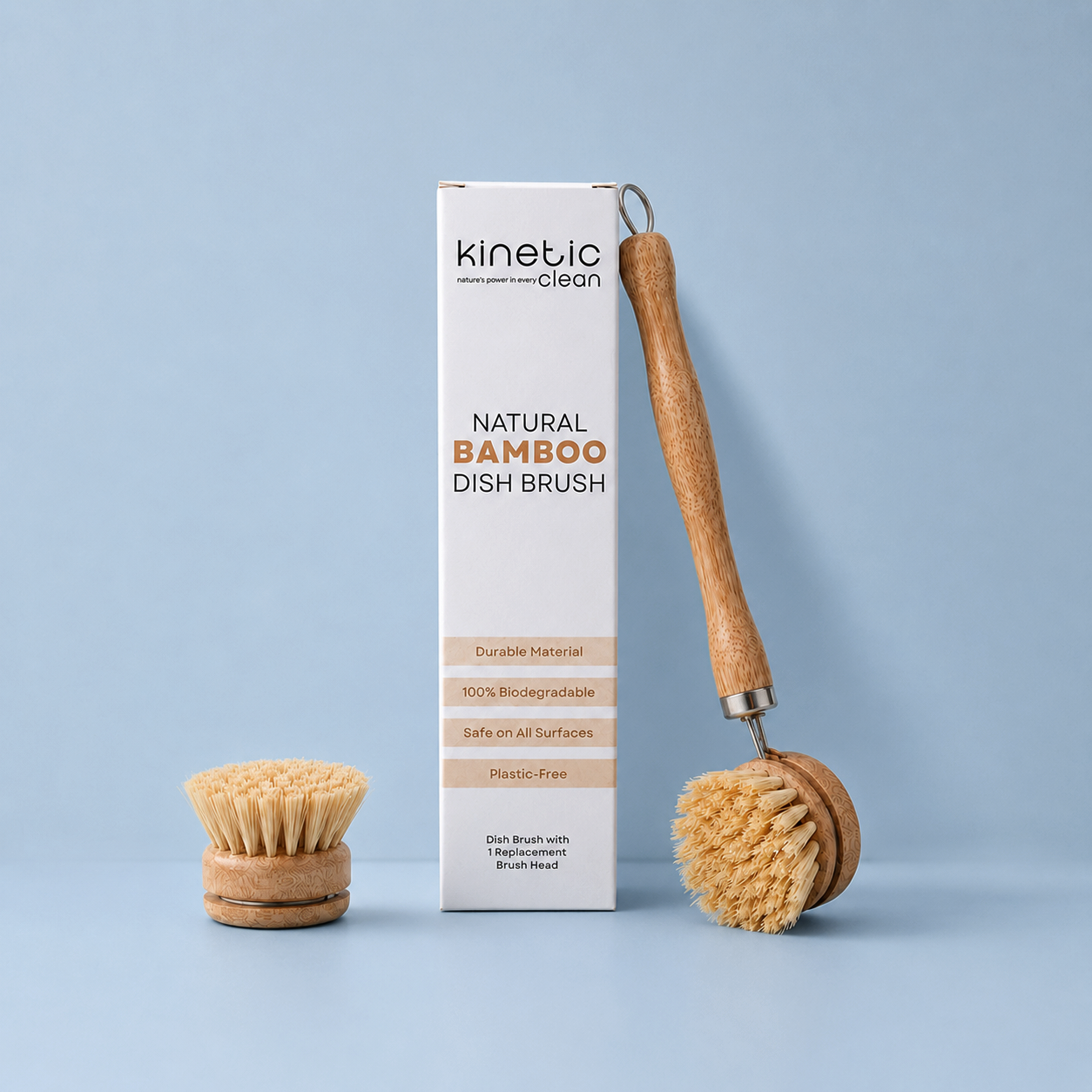
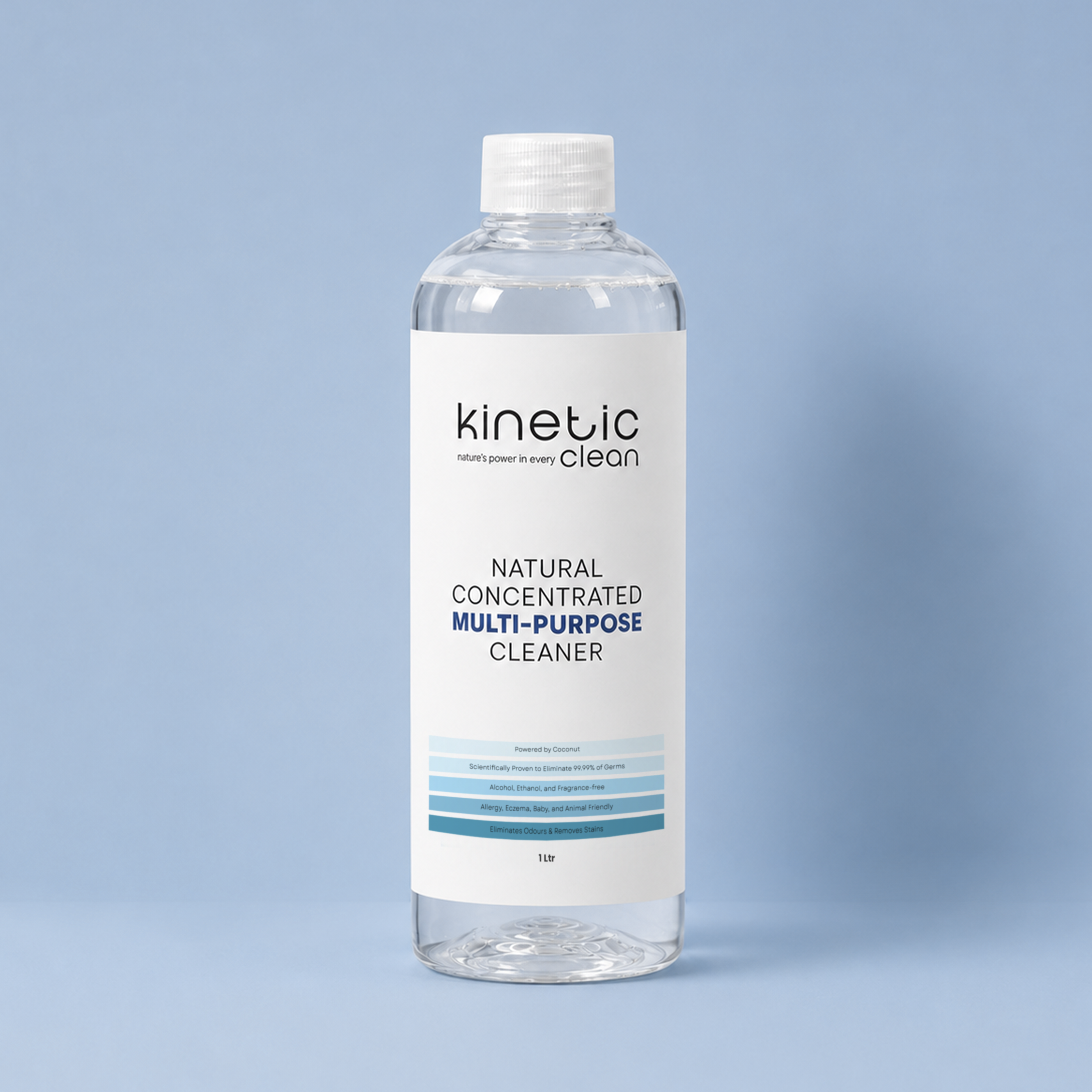
Reading ingredient lists is the right habit, and we make it easy: a short range, clear purpose for each product, and a formula built on natural ingredients. A multi-purpose concentrate handles the daily jobs, a sanitiser covers the moments that need it, and a bamboo dish brush replaces plastic in the sink.
The goal is calm, confident cleaning, without a cupboard of bottles you have to second-guess.
TekHive
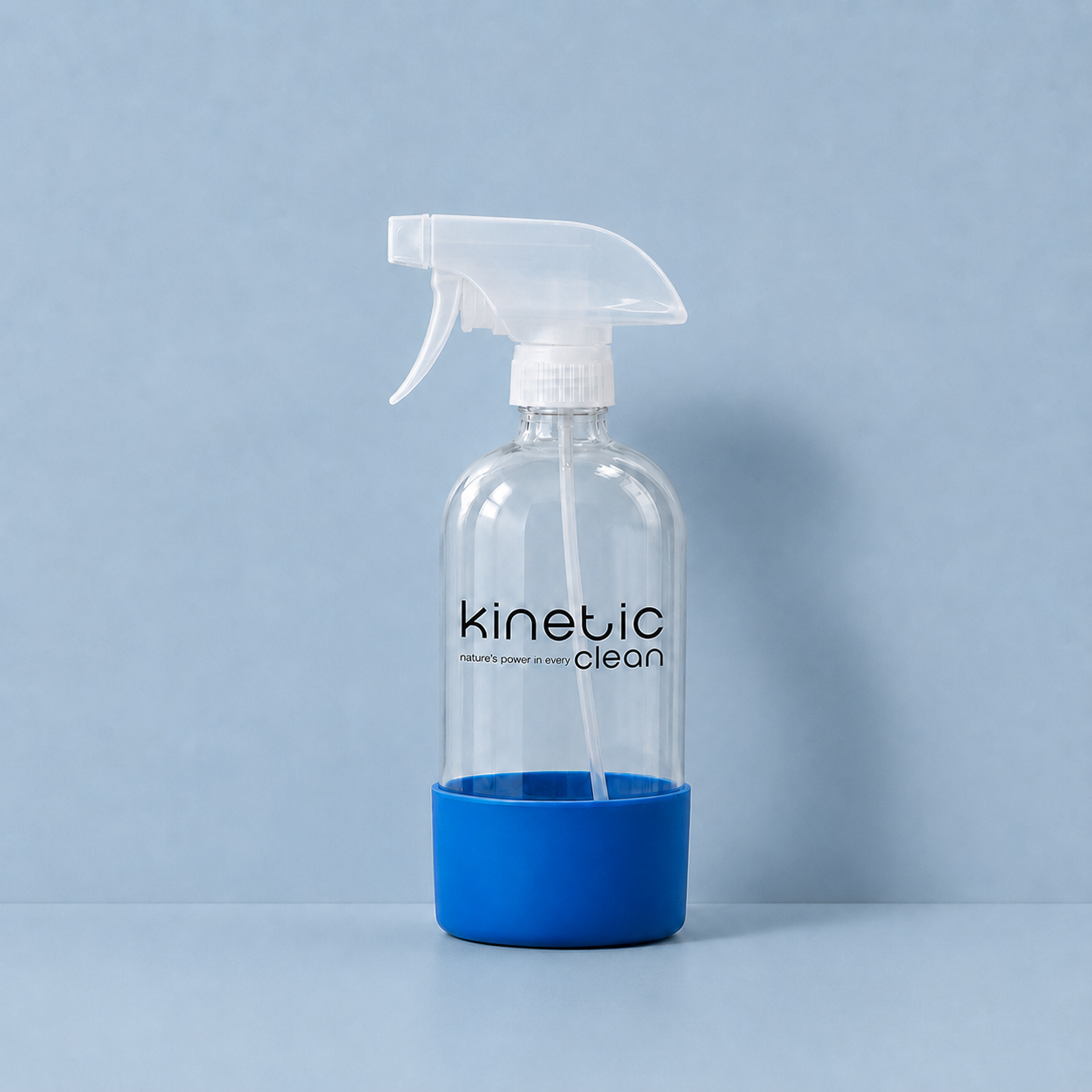
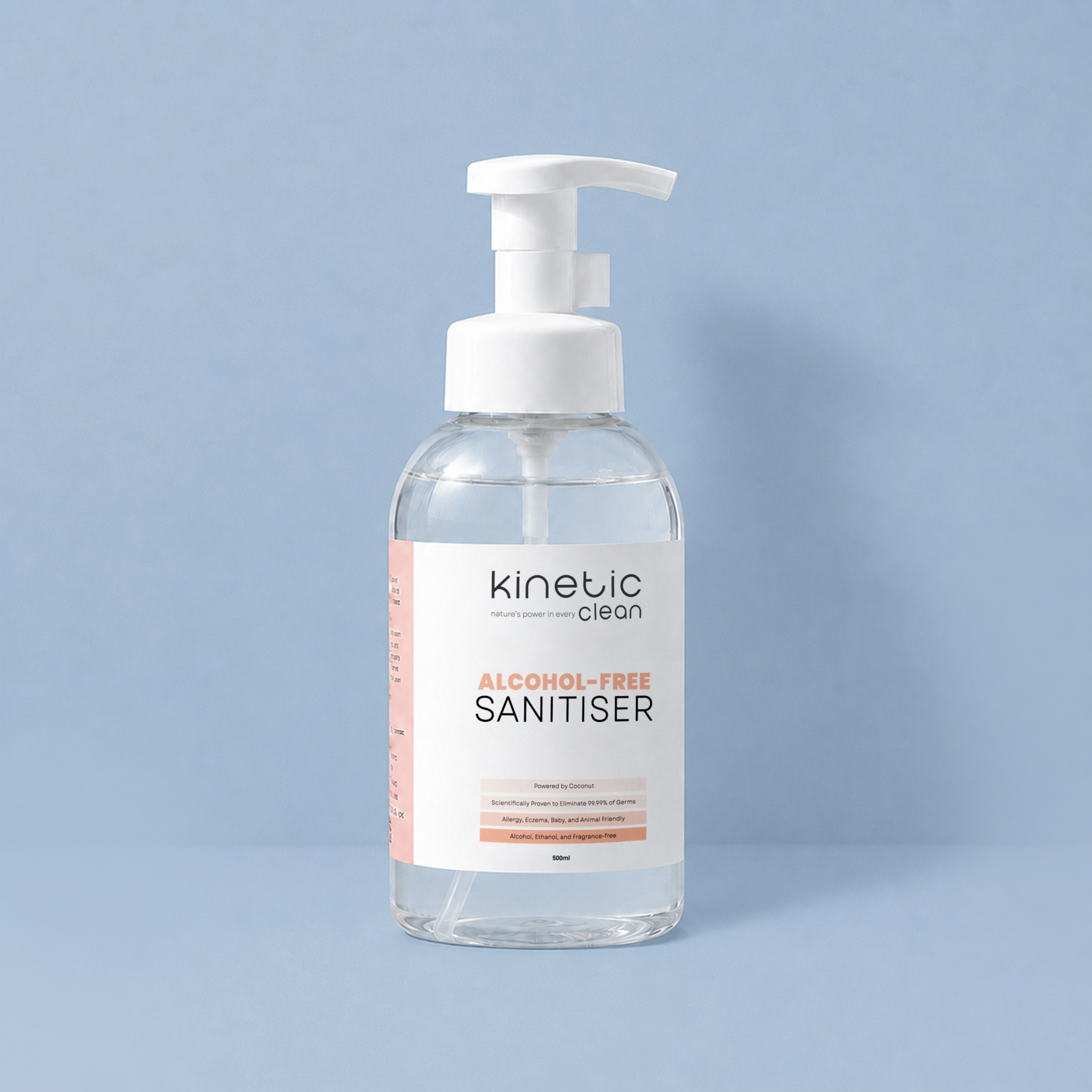
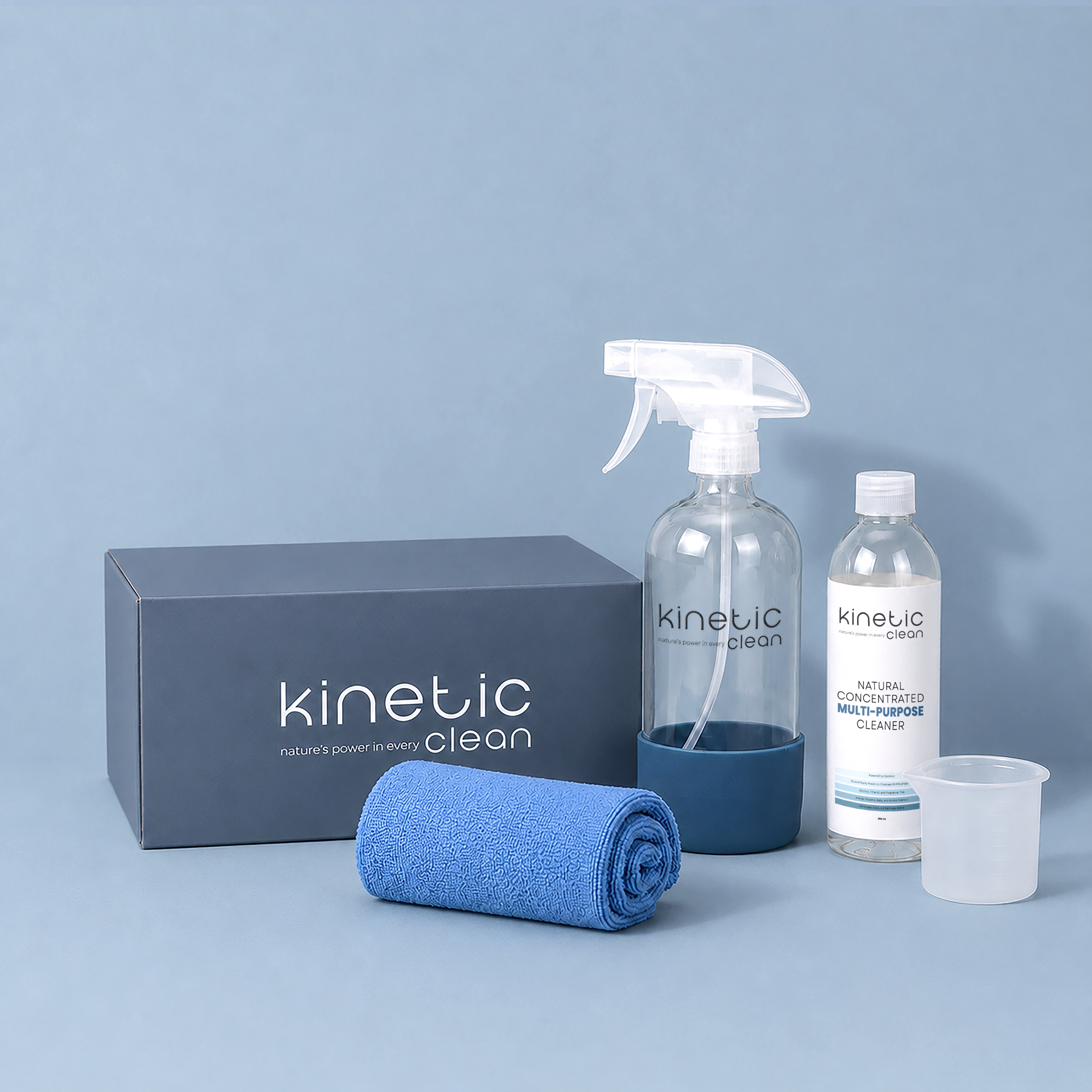
If you are ready to simplify your cleaning cupboard, our range covers the everyday jobs with few products. The Multi-Purpose Concentrate is available in a 1L size and a 250ml size, and a glass spray bottle makes dilution at home simple. Our Sanitiser is there for the moments you want extra germ protection, and the Bamboo Dish Brush starts from £2.99.

First time trying us? The Starter Bundle brings the essentials together in one order.
Cleaning agents are commonly grouped as detergents, abrasives, acids, alkalis and solvents. Detergents lift oily dirt, abrasives scrub, acids dissolve mineral deposits, alkalis cut grease and solvents dissolve stubborn residues. Most household products combine several of these functions.
An active ingredient is the component that gives a product its efficacy, and the term is often used for the substance that acts against harmful organisms. It mostly applies to disinfectants and sanitizers. If a product makes a germ-killing claim, check the label for the active and its directions for use.
In Great Britain, detergent labels for products sold to the public must include a website address where consumers can find the ingredient list. The pack itself shows ingredient categories, percentage ranges and allergenic fragrances. Contact details for the responsible company are also required on the label.
No. Mixing products can produce harmful gases or fumes, and combining bleach with vinegar or ammonia is especially dangerous. Use one product at a time and rinse the surface between products.