Cart
0
You may also like


The most reliable natural way to remove soap scum is a mild acid plus a grease-cutter: warm white vinegar mixed with water and a little washing-up liquid, sprayed on, left for several minutes, then wiped and rinsed. Bicarbonate of soda adds gentle scrubbing power for stubborn patches. The method suits glass, tiles, baths and chrome, but not natural stone. This guide explains why soap scum forms, how long to leave each mix on, which surfaces need a different approach, and how to stop the film coming back.
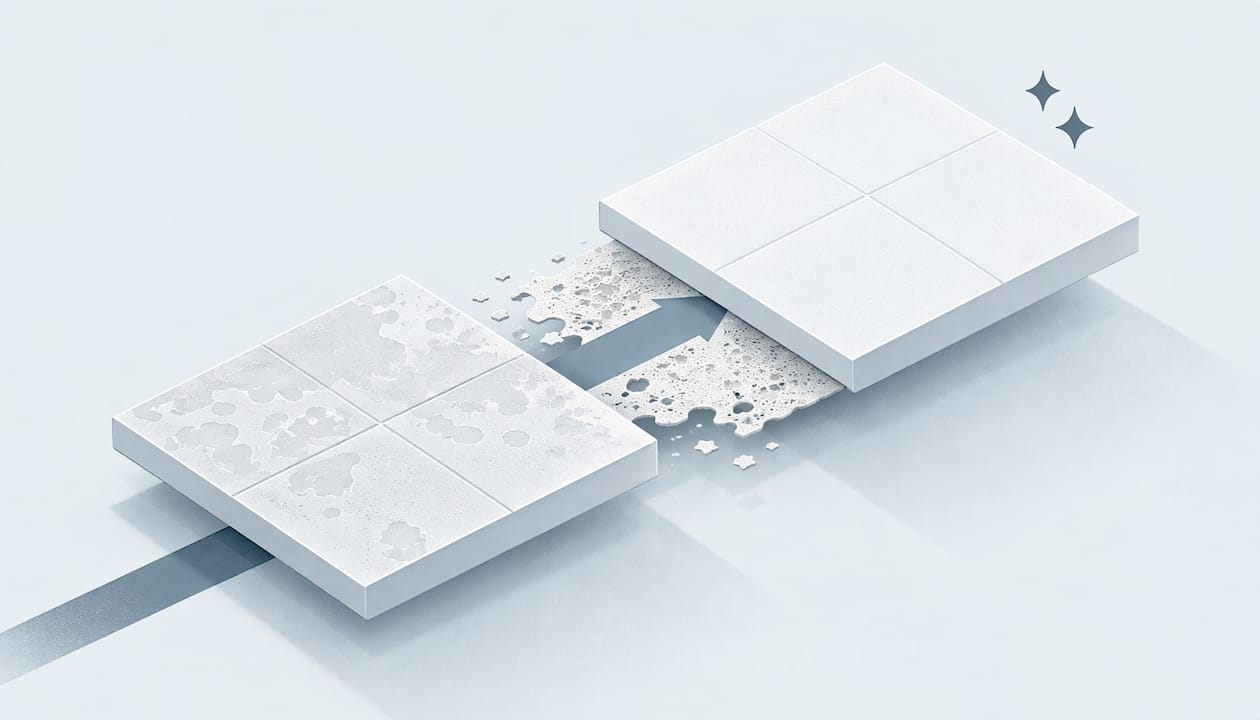
Soap scum is the dull, slightly sticky white or grey film on shower screens, tiles, taps and the side of the bath. It forms when the fats in soap combine with calcium and magnesium in hard water. The result does not dissolve in plain water, which is why rinsing alone leaves it behind.
That explains why one ingredient rarely does the whole job. According to Netmums’ explanation of the chemistry, a mild acid such as vinegar (usually 5 to 8% acetic acid) dissolves chalky limescale, while a washing-up liquid breaks down the greasy part so the acid can reach the mineral layer underneath. Two jobs, two ingredients.
Hard water makes everything worse. Netmums reports that once water hardness passes 200 mg/L of calcium carbonate, soap scum builds up faster and you need more soap to get a lather. If you live in a hard-water part of the UK, expect to clean more often and to benefit more from the prevention habits further down.
This is the mix most UK cleaning advice returns to, and it costs pennies. Here is the version we suggest for everyday use.
For glass shower doors specifically, Good Housekeeping UK recommends equal parts distilled white vinegar and water with 1 teaspoon of washing-up liquid, left for 15 minutes, then wiped with a microfibre cloth. For heavy build-up it suggests a delicate scrubber or an eraser-type sponge.
Contact time is where most people go wrong, either rinsing too soon or leaving acid on a surface that does not like it.
| Level of build-up | What it looks like | Contact time | Extra step |
|---|---|---|---|
| Light haze | Faint white cloudiness on glass | About 1 minute | Wipe with microfibre |
| Visible film | Streaky, slightly rough patches | 3 to 5 minutes | Non-scratch sponge |
| Thick, stubborn | Cloudy buildup on screen, bath edge | 15 minutes, or up to 30 for the hot-vinegar version | Bicarbonate on a damp cloth |
The first two timings come from Netmums, which also suggests a light dusting of bicarbonate on the cloth for gentle abrasion on stubborn patches. The 15-minute figure matches the Good Housekeeping guidance above.
When the film has been there for months, a hotter, longer treatment helps. The Liverpool Echo describes a homemade shower spray costing £1.42, made by heating distilled white vinegar and combining it with an equal amount of grease-cutting washing-up liquid. You spray both sides of the shower screen, leave it for at least 30 minutes, rinse, and dry with a soft microfibre cloth.
A few practical notes from our side:
If you want to keep the bathroom smelling clean without a fragrance, resist the urge to add many drops of essential oil. The Liverpool Echo recipe mentions 10 to 20 drops as optional, but Greenpeace UK’s GreenTok guide notes that many essential oils, including citrus and tea tree, are toxic to cats and dogs. In a home with pets, or with anyone who is sensitive to scent, leaving them out is the simpler choice.
For small stubborn areas, such as the base of taps, the corners of a bath or the rim of a plug hole, a paste gives you targeted scrubbing without scratching hard surfaces too much.
Keep the steps separate. Netmums explains that when vinegar or lemon is poured over baking soda, the acid and base react and release carbon dioxide, leaving mostly water and sodium salts that clean little better than plain water. Chemists quoted there advise using the two one after the other, not locked together from the start. The fizzing looks productive, but the cleaning power is largely spent.
An old toothbrush works well around taps and plug holes, and it reaches where a cloth cannot.

Not every bathroom surface likes acid or abrasion. A quick check before you spray saves expensive damage.
| Surface | Vinegar spray | Bicarbonate | Notes |
|---|---|---|---|
| Glass shower screen | Yes | Light dusting on cloth | Dry with microfibre to avoid streaks |
| Ceramic tiles and acrylic bath | Yes | Yes, gently | Rinse well |
| Chrome taps and fittings | Briefly, then rinse | Avoid on polished finishes | Do not leave acid sitting |
| Natural stone (marble, granite, limestone, travertine) | No | Only as advised below | Use a pH-neutral soap |
| Coated easy-clean glass, tired grout | Patch test first | Patch test first | Test a discreet corner |
Stone is the biggest risk. Greenpeace UK’s guide states never to use vinegar on marble or granite because it erodes the stone. Netmums adds that the same acidity can attack travertine, natural stone and some metal finishes, and that guidance sheets for marble, limestone, sandstone or decorative metal coatings point to lukewarm water with a gentle, pH-neutral soap, tested first on a discreet corner.

For polished metal, Which? advises against bicarbonate of soda on high-shine finishes such as mirror-finish stainless steel, chrome or plastic trims, because fine abrasions can dull the surface. Use a soft cloth and the diluted spray there, rinsed promptly.
If you have a coated easy-clean screen, patch test in a corner first, as the Netmums guidance recommends. Aluminium shower screen frames also deserve care, and a guide to cleaning aluminium window frames is a good reference for the metal edges around your glass.
This part matters more than any recipe.
For the wider picture on handling cleaning mixtures with care, this piece on safer choices with vinegar and pure water covers sensible precautions for DIY glass cleaners.
If anyone in your home has asthma, eczema or sensitive skin, the smell of warm vinegar can be irritating. Ventilate well, wear gloves, and speak to a pharmacist or GP if you notice symptoms after cleaning.
Removing the film is the easy bit. Preventing it takes less time than a deep clean, and a few habits do most of the work.
A sensible rhythm for most homes is a 30-second squeegee after each shower, a quick wipe of the sink and taps each week, and a full vinegar-spray session every month or two, depending on how hard your water is.
We started Kinetic Clean from a simple idea: if we would not put harsh chemicals on our skin, we should not use them to clean the spaces we live in. That belief runs through everything our founder Catherine builds, from gut-nourishing foods to tallow-based skincare.
Bathrooms are where this matters most. They are small, warm and often poorly ventilated, and the air you breathe while cleaning is the air your family breathes afterwards. Many conventional cleaners rely on synthetic chemicals, artificial fragrances and alcohols that can irritate skin and lungs, and a bathroom is exactly where you are bent over a surface, up close, for several minutes.
That is why we make natural, non-toxic household cleaning products free from synthetic chemicals, artificial fragrances and alcohols. Our approach is simple: clean regularly and gently, so heavy build-up never has the chance to form. A concentrate you dilute yourself, used in a refillable glass spray bottle, makes that routine easy to keep.
The kitchen-cupboard methods above are a fine way to tackle an existing film. For the daily and weekly upkeep that prevents the next one, we believe a gentle, fragrance-free routine is the healthiest habit a home can have.
TekHive
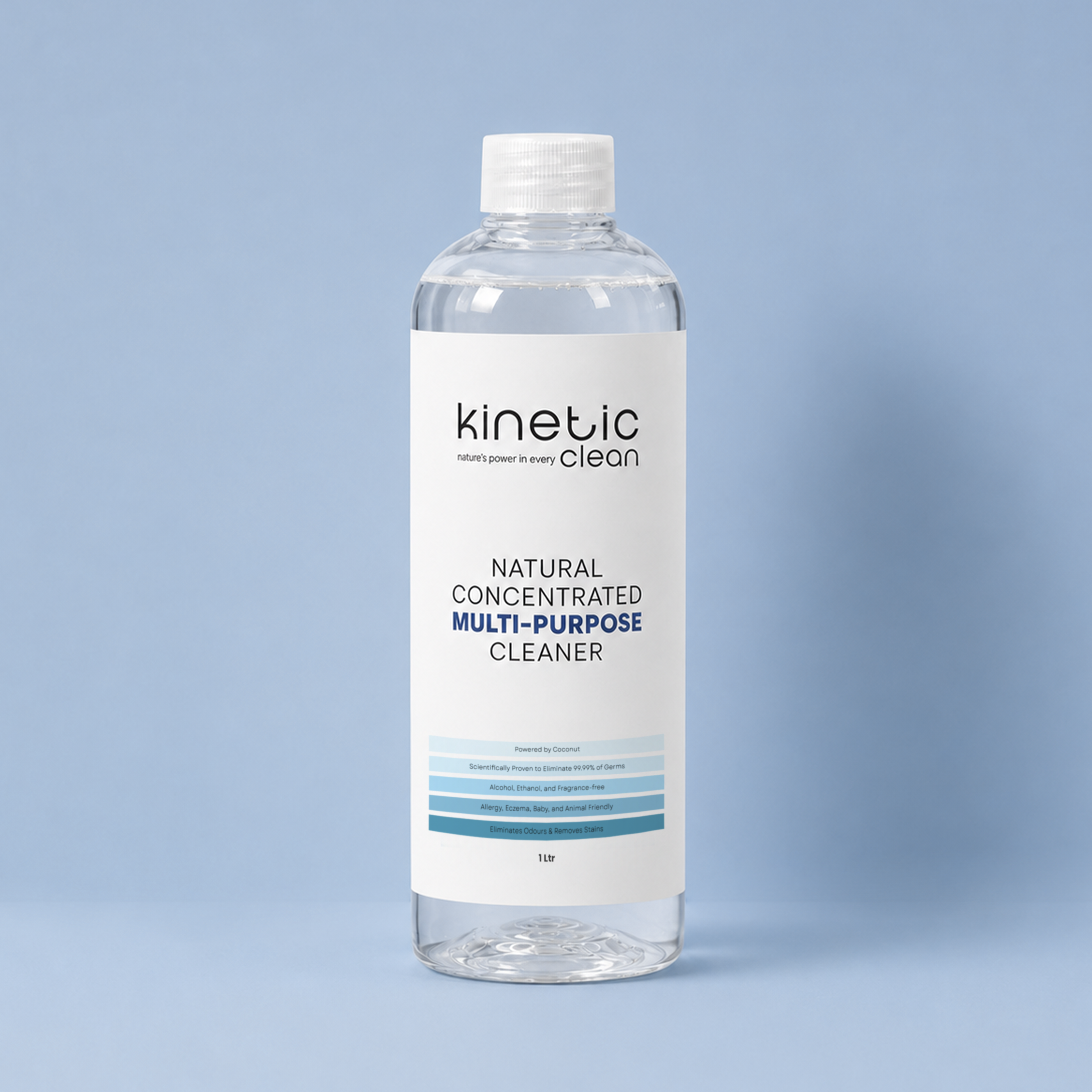
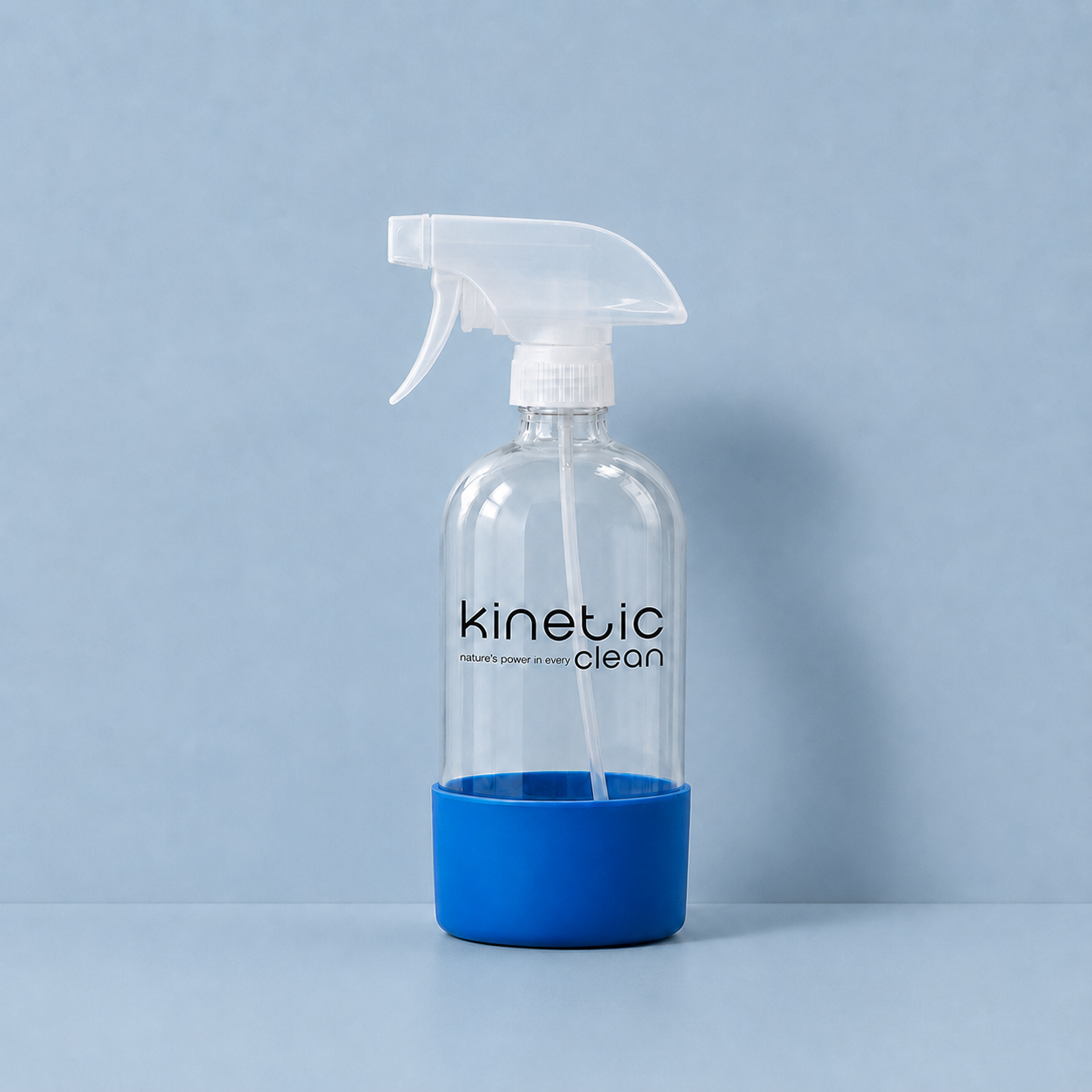
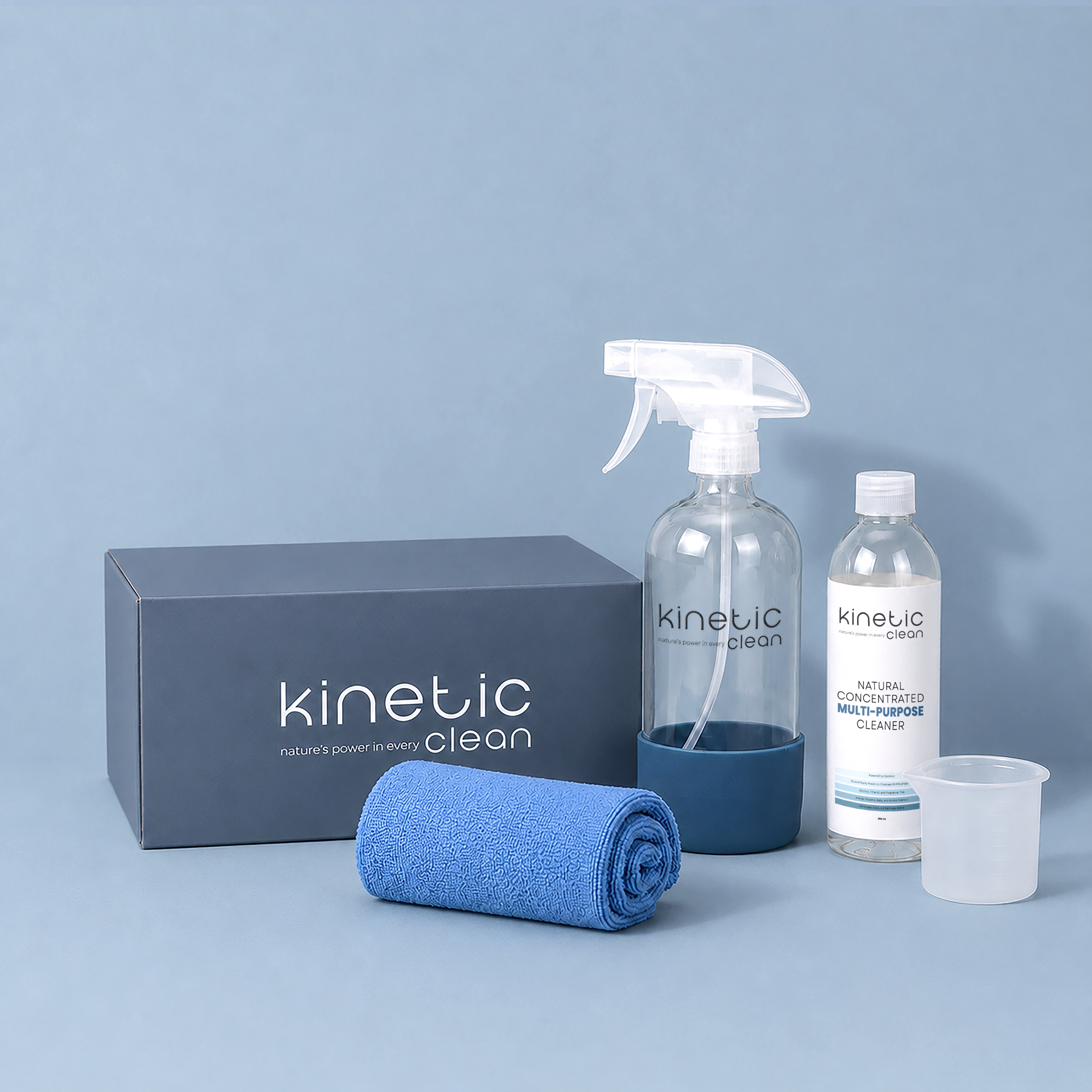
Once the screen is clear, the aim is to keep it that way with as little effort and as little irritation as possible. Our 1L Concentrate Formula is a natural, non-toxic multi-purpose cleaner free from synthetic chemicals, artificial fragrances and alcohols, designed for everyday household cleaning. It comes in a size that suits families, and you can pair it with our Glass Spray Bottle 500ml for a ready-to-use bathroom spray.

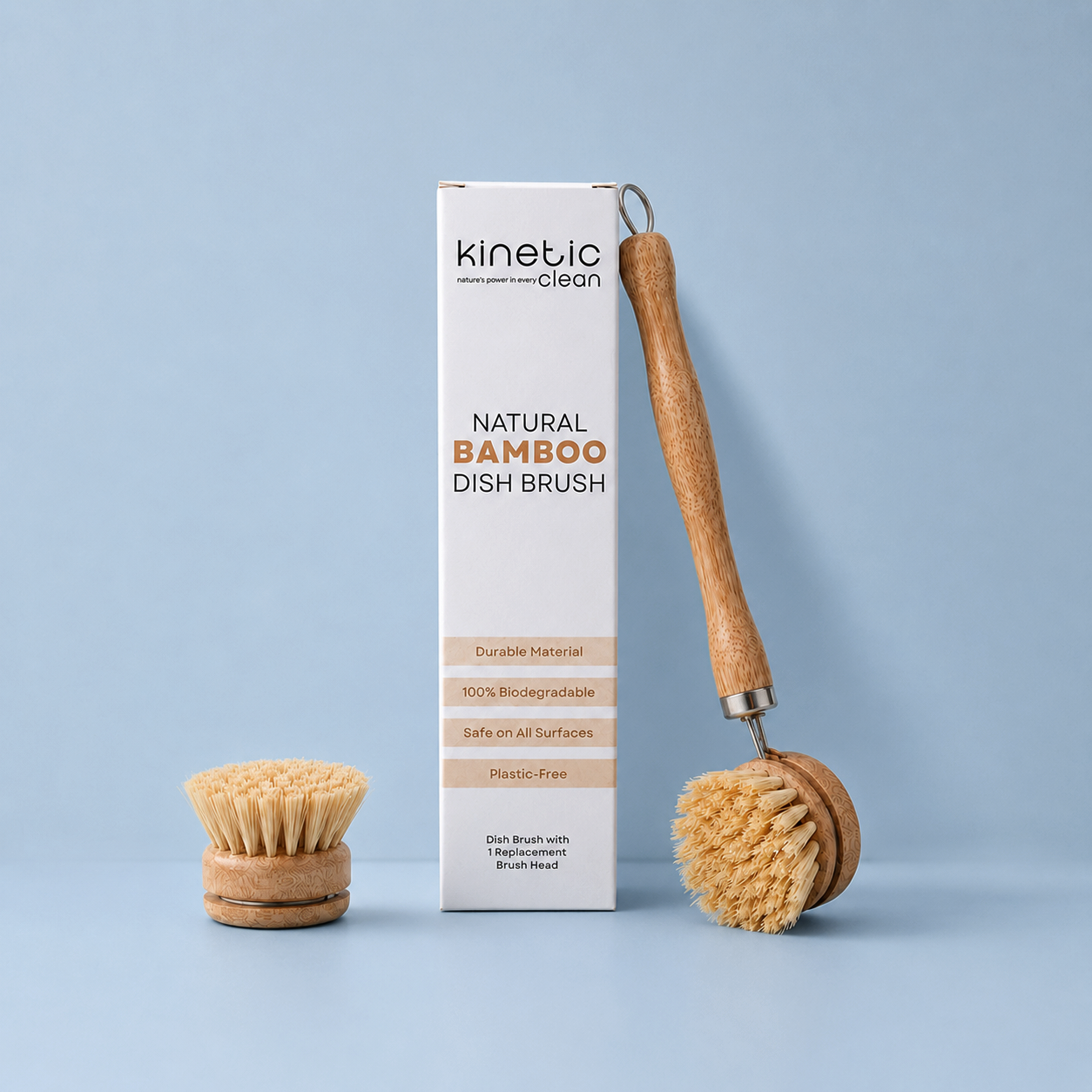
If you are setting up from scratch, the Starter Bundle puts the basics in one order. Our Bamboo Dish Brush starts from £2.99 and is handy for kitchen and sink jobs. For more on how we think about ingredients, read our guide to non-toxic cleaning products for a healthier home, or see our note on fragrance-free cleaning for sensitive skin.
Yes. The vinegar dissolves the mineral part of the film and the washing-up liquid breaks down the greasy part, so the pair works better than either alone. Use about 1 to 2 teaspoons of washing-up liquid in a 500 ml spray, apply generously, leave for a few minutes and rinse with clean water. Keep it off natural stone.
An eraser-type sponge can help on heavy build-up on glass, as Good Housekeeping UK suggests, once the vinegar spray has softened the film. Use light pressure, because these sponges are mildly abrasive. Test a hidden corner first on coated or polished surfaces.
It is safe but not useful. The two react straight away and release carbon dioxide, leaving a solution close to plain water, and a sealed bottle can build up pressure. Apply them one after the other instead: vinegar spray first, then bicarbonate on a damp cloth for scrubbing.
It depends on your water. In hard-water areas, a quick squeegee after every shower and a full spray clean every month or two keeps film from building. In softer-water homes, a monthly clean is usually enough. If the film has become thick, repeat the treatment rather than scrubbing harder.
Avoid vinegar and lemon. Use lukewarm water with a gentle, pH-neutral soap and test it first on a discreet corner. The Liverpool Echo quotes an expert suggesting liquid soap blended with bicarbonate of soda to a frosting-like consistency for stone showers.